The state of Washington has announced that the minimum wage will increase by 14 cents from $7.93 to $8.07 per hour effective on January 1, 2008. This will put the state minimum wage at the highest in the nation, for the seventh consecutive year.
On that same day, both California and Massachusetts will increase the state minimum wage to $8.00 per hour. In Oregon, the state minimum wage will climb to $7.93 per hour.
In Washington, the minimum wage is calculated each year with a cost-of-living increase based on Initiative 688, approved by Washington voters in 1998. The annual increase is based on the federal Consumer Price Index (CPI) for urban wage earners and clerical workers. The CPI measures the average change in prices for a fixed group of goods and services including food, shelter, medical care and wages.
The state minimum wage applies to virtually every employer in the state. While many states such as Maryland exempt myriad industries from the state minimum wage, Washington applies the law almost universally. The only exceptions are newspaper carriers, non-profit volunteers and some agricultural workers.
Under state statute, workers under 16 can be paid less than the minimum wage. Employees who are 14 or 15 years old may be paid 85% of the minimum wage, or $6.86 in 2008.
Washington is one of a handful of U.S. states that permit no tip credit, so tipped employees including waiters and waitresses must be paid at least $8.07 per hour. Without doubt, that is the highest wage for tipped employees in the country.
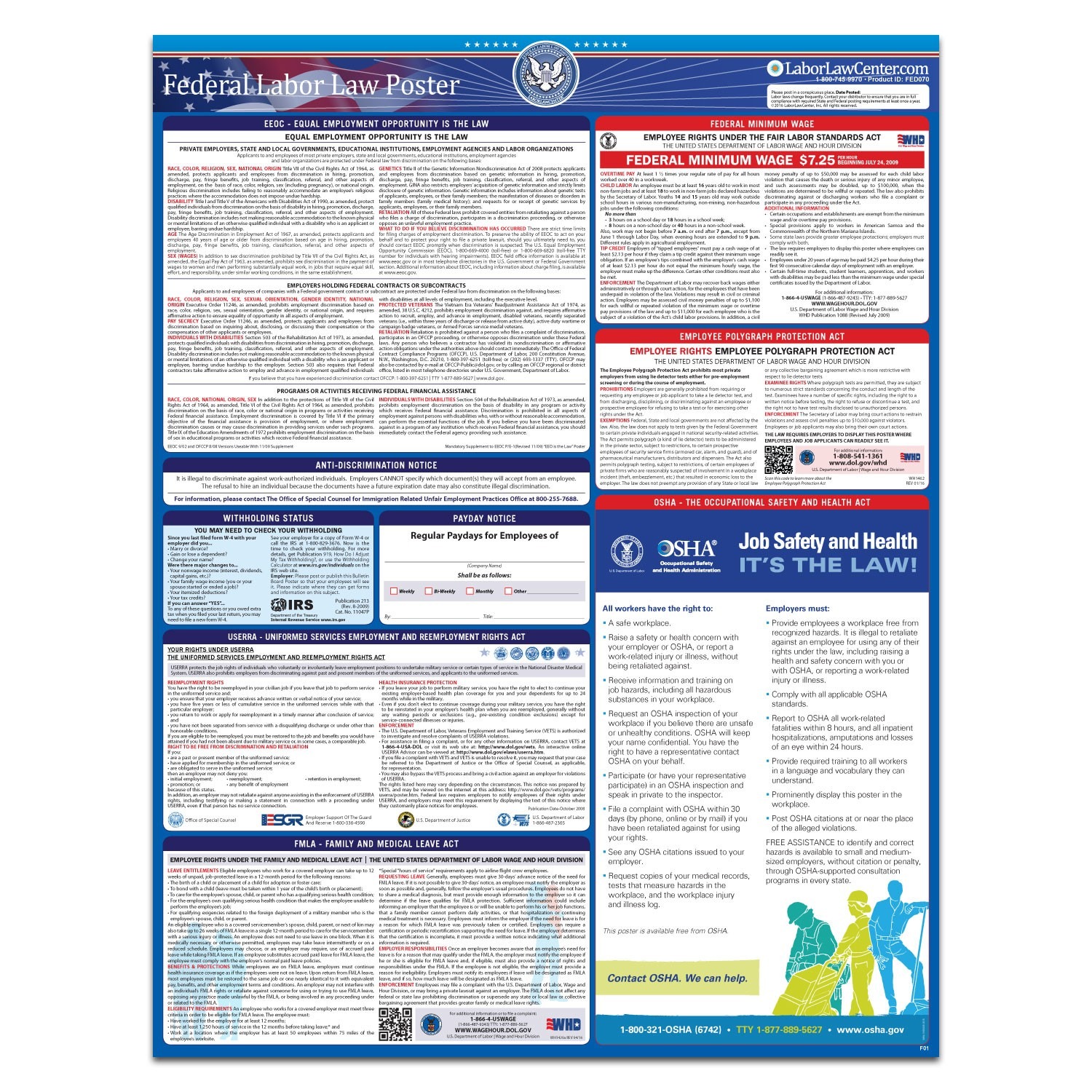
The federal minimum wage is $5.85 per hour. Many states across the country have established their own state minimum wage, and have added a few notable exceptions to the state minimum wage law.
If a company has revenue over $500,000, or engages in interstate commerce, and the state minimum wage is lower than the federal minimum wage of $5.85 per hour, the federal minimum wage applies.
On January 1, 2008, the minimum wage in Montana will go up 10 cents an hour from $6.15 to $6.25.That minimum doesn’t apply to all employees, though. Companies in Montana whose revenues are $110,000 or less can legally pay employees just $4.00 per hour.
Minnesota, too, varies the state minimum wage according to size. In larger companies with annual revenues of $625,000 or more, the minimum wage is $6.25 per hour. Smaller companies have a minimum of $5.25.
Young workers also face lower pay in some states, particularly in the first 90 days on the job. Workers under 18 can be paid less, legally, in some states, until they come of age.
In Maryland, the conditions regarding age are broken down even further. The State minimum wage is $6.15 per hour. Part-time employees under the age of 16 or over the age of 61 aren’t protected under the state law. Employment of up to 20 hours per week for younger workers and 25 hours for older ones excludes them from the law. Many businesses, such as amusement parks, restaurants and hotels don’t have to pay overtime, either.
The state minimum wage in Alaska is $7.15 per hour, but by law school bus drivers must receive $14.30 an hour, or twice the minimum.
When an employee is covered by both the federal minimum wage law, and by the state minimum wage law, the law that gives the worker a bigger benefit applies. In Kansas where minimum wage is $2.65 per hour, a worker protected by both laws would receive the federal minimum of $5.85. In Washington, the state minimum is higher, so the state law would apply.