Recently, I’ve been reviewing the laws related to lunches, breaks and other work hour issues. I think it is interesting to note that Maryland does not have any laws on the books specifically related to this area, except those relating to minors. Maryland law does require that employees 17 and younger must be given a meal or rest period of at least 30 minutes if they have worked for five hours or more.
Although Maryland does not have a lunch and break law for those persons 18 and over, there are applicable federal rules for Maryland citizens. Many people believe they are entitled to a lunch break or rest break by law. While this is not true under federal law, the regulations do give guidance as to whether or not an employee should be paid during these times if an employer chooses to offer them.
Short breaks, those that are usually 20 minutes or less, should be counted as hours worked. True “meal periods” are usually 30 minutes or more, and do not need to be compensated as work time. For this to be the case, however, the worker must be completely relieved of his or her duties during the meal break. If the employee is still required to do any duties (even small duties such as answering a phone), it can’t be considered a meal or lunch period and must be paid.
Federal law also contains other provisions related to employee pay during times of waiting, sleeping and traveling. Whether or not waiting time needs to be considered paid work hours depends on the situation. If an employee is allowed to do something of his or her choosing while waiting for another task to be finished or while waiting at the workplace for his or her services to be called upon, it is generally considered work time. On the other hand, if an employee is waiting to be called upon, but has great freedom to do what he or she wishes while on call (and has plenty of time to respond to the call), it is not generally considered paid work time.
When it comes to sleeping time, an employee required to be on duty less than 24 hours is considered to be “working” even if he or she is permitted to sleep during some of those hours when not busy. If an employee is on duty more than 24 hours, a sleeping period of no more than eight hours may be deducted from work hours. However, this can only be done if sleeping quarters are provided and at least five hours of uninterrupted sleep may be achieved by the employee.
Finally, another issue I find comes up in the area of work hours is the issue of travel time. The general rule of thumb is that time spent in the normal day’s commute to and from work is not considered paid working time. However, if an employee is traveling in the course of a days work, it must be considered paid work time.
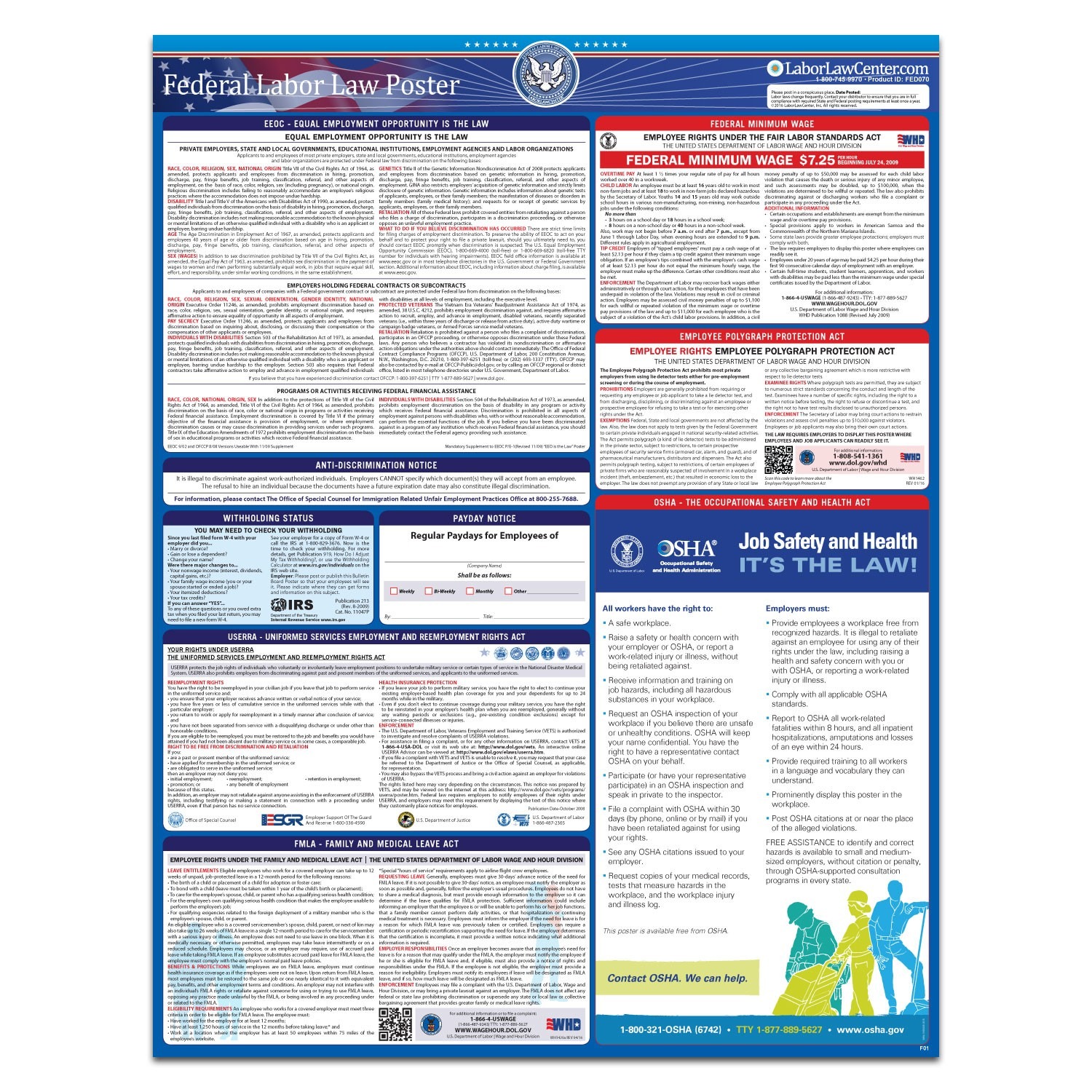
Complete information on the laws related to lunches, breaks and other pertinent labor issues can be found on the Maryland All in One Labor Law Poster.