On July 1, 2009 the Illinois minimum wage will increase from $7.75 to $8.00 per hour.
Many employers complain that this puts the Illinois minimum wage the highest in the nation – but they are very wrong. In fact, the new rate puts Illinois in a four-way tie for the fourth highest minimum wage, with California, Massachusetts, and Connecticut.
The nation’s highest minimum wage is in Washington, at $8.55 per hour. The second highest minimum wage is in Oregon, at $8.40 per hour. The Vermont minimum wage is currently $8.06 per hour. All three of those states – unlike Illinois – have annual cost-of-living increases.
On July 1, the Illinois minimum wage will become $8 an hour, a boost of 25 cents from the previous hourly rate of $7.75.
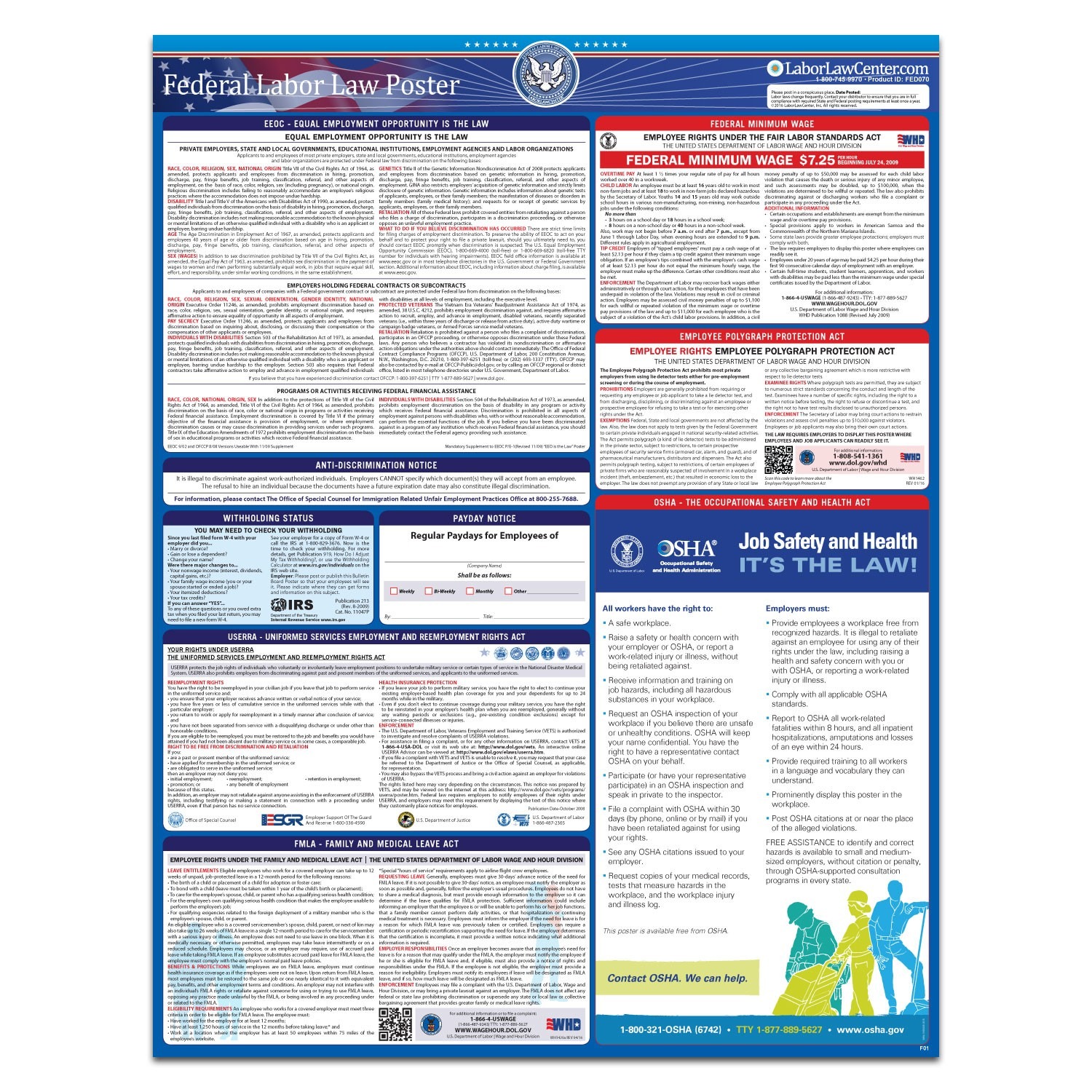
Minimum wage increases come on July 1 of the year in Illinois, while the federal rate changes on July 24. The 2009 federal minimum wage increase to $7.25 per hour
In 2010, the Illinois rate goes up another 25 cents an hour, bringing it to $8.25.
In 2003, the minimum wage in Illinois went from $5.15 to $5.50 an hour, effective in 2004, an increase of 35 cents an hour. Following that increase, the rate went to $6.50 an hour in a law that included annual 25-cent increases through 2010.
The Illinois Department of Labor has estimated that about 650,000 workers will benefit from the increase in the minimum wage.
Several categories of worker are not covered by the minimum wage law in Illinois. Tipped workers, for example, need not be paid the regular minimum. In Illinois, employees working for tips may legally be paid just $4.80 an hour beginning July 1, 2009. This is a 15-cent increase from the previous tipped rate of $4.65 per hour.
There is also a reduced Illinois minimum wage for workers new to the job. According to state law, they may be paid a training wage of $7.25 an hour for their first 90 days. Another category is the worker under 18 years old, who need not be paid the minimum wage.
Illinois’ minimum wage increases have garnered the praise of Beatrice Jackson, President of ACORN (the Association of Community Organizations for Reform Now). “For thousands of working families who live on the brink of poverty, the increase in Illinois’ minimum wage will help workers afford basic necessities that so many of us take for granted, like food, clothing, housing and education,” she said.
The now-infamous former Governor, Rod Blagojevich, who was later indicted on federal corruption charges, said he was “proud that in Illinois we’ve kept our promise” to help working people.