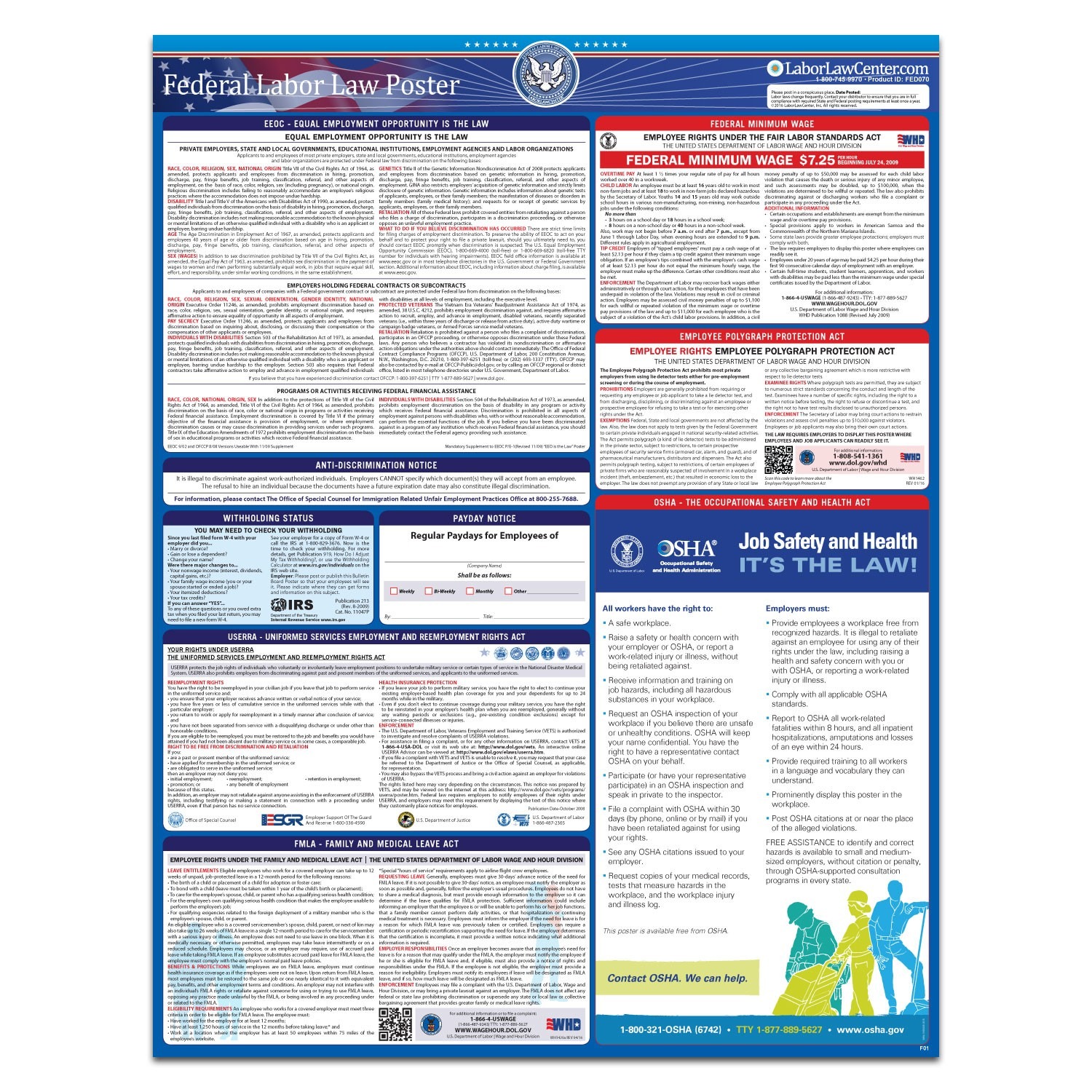
Payment of wages is an extremely sensitive and personal matter to most employees. Managers and HR professionals, at some point in time, have probably heard a disgruntled employee complain that their pay is too low or that they are being asked to work long hours or work through breaks with no additional pay. Complaints about pay, hours worked and payment for time worked over the standard 40 hours should send up a red flag to HR and managers that an internal investigation should take place. The Fair Labor Standards Act (FLSA) applies to every private, federal, state and local government employer and oversees issues concerning wage and hours. Failure to comply with the FLSA laws can result in significant back pay to employees and/or fines. Having worked in the past for a company that discovered an error in one family of jobs resulted in changing multiple jobs from exempt (not eligible for overtime pay) to non-exempt (eligible for overtime pay). The error was caught and the company made a voluntary adjustment to individuals which resulted in back-payment of unpaid overtime wages that cost the company well in the hundreds of thousands of dollars. Understanding the law and getting it right from the beginning can head off a lot of problems and financial liability down the road.
FLSA has governing authority over the following:
- Minimum wage – The FLSA sets a standard federal minimum wage which can be found on the Department of Labor website. In addition, many states and cities also have minimum wage laws. In cases where an employee is subject to city, state and federal minimum wage laws, the employee is entitled to the higher minimum wage.
- Overtime – Non-exempt employees must receive overtime pay for hours worked in excess of 40 per workweek (any fixed and regularly recurring period of 168 hours — seven consecutive 24-hour periods) at a rate not less than one and one-half times the regular rate of pay.
- Hours worked – Hours worked ordinarily include all the time during which an employee is required to be on the employer’s premises, on duty, or at a prescribed workplace.
- Child labor – Provisions protect the educational opportunities of minors and prohibit their employment in jobs and under conditions detrimental to their health or well-being.
The most complex part of the FLSA law deals with the determination of “exempt” and “non-exempt” workers relative to overtime pay. An “exempt” classification indicates that the employee is exempt from overtime laws and therefore is not subject to overtime pay. A “non-exempt” classification indicates that the employee is not exempt from overtime laws and all hours in excess of the designated federal overtime hour rate are subject to overtime pay.
Determining an employee’s exemption status is not a straightforward determination. Human Resources should provide guidance on positions and their classification. In summary, considerations in determining exemption status depend upon the annual salary of the individual combined with the type of work and responsibilities that the position carries. Exemption status always applies to a position and not to an individual person.