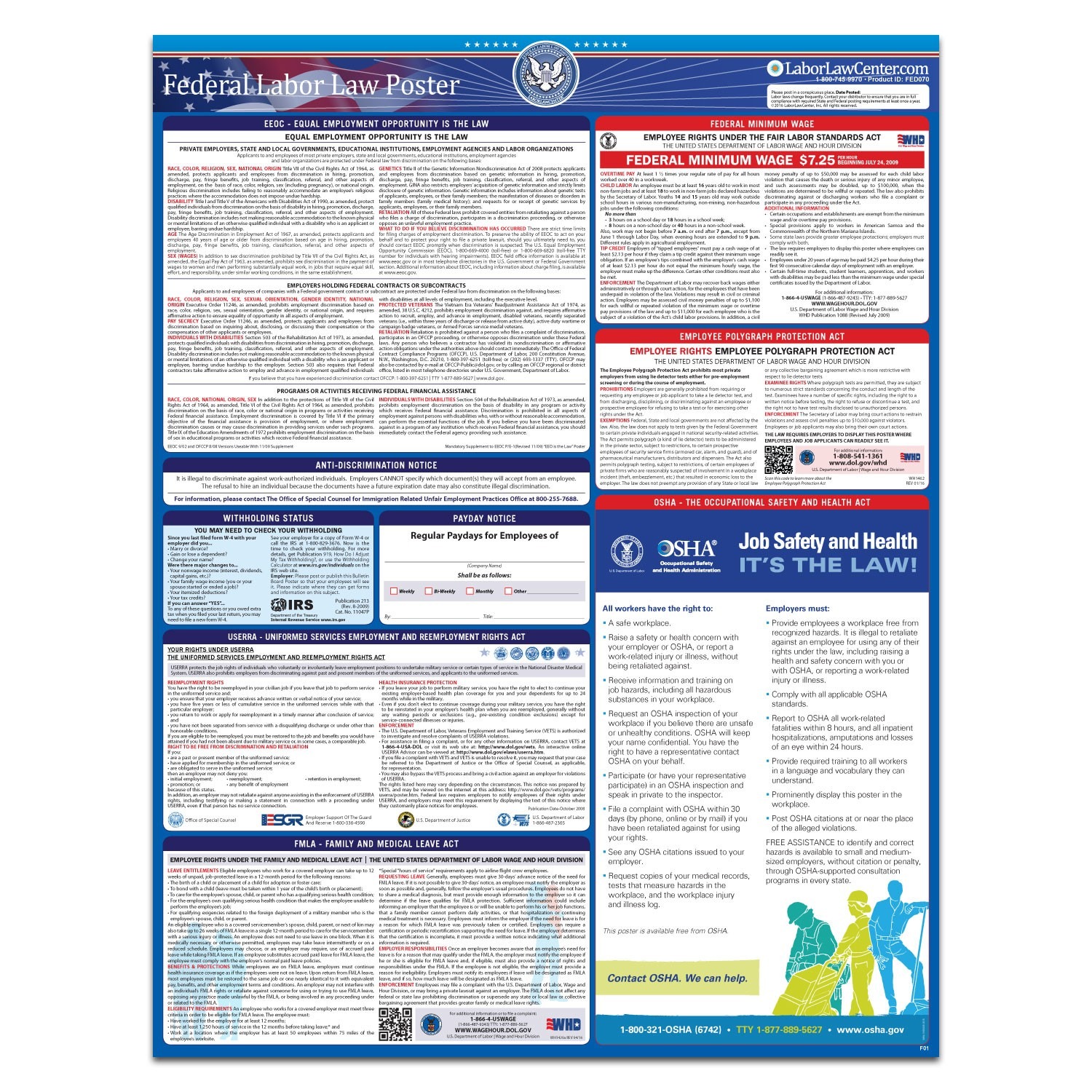
Since January 1, 2007, the Virgin Islands has had the minimum wage of $6.15 per hour. That puts the Virgin Islands at a rate higher than the current federal minimum wage, and will put it higher than the first federal minimum wage increase—to $5.85 per hour—if and when the president of the United States signs that federal minimum wage bill into law. What does that mean for employers in the Virgin Islands. Well, for starters, the federal minimum wage will not affect them right away.
Both employers liable to follow the Fair Labor Standards Act in the Virgin Islands, and those employers who are not liable to follow the Fair Labor Standards Act, will both be paying the higher Virgin Islands minimum wage through the end of 2007. It could get interesting come mid 2008, when the second of the three federal minimum wage increases would then kick into effect. That would take the federal minimum wage to $6.50 per hour, which would be higher in that case than the Virgin Islands minimum wage.
Then we could see a differentiation between the rate that employers pay who are liable to follow the federal wage and hours labor laws, and those who do not have to follow them. But like I said, that is not until the middle of 2008—if the federal minimum wage bill even gets signed into law—and by then, the Virgin Islands government and its Department of Labor Relations could already be decided to increase the territory’s minimum wage.
Wait a second, I can hear you asking, why are the employers in the Virgin Islands even concerned about the goings on in Washington DC? Why do the federal minimum wage laws here in the United States affect things way out in the Caribbean. A quick history and political lesson then is in order.
The United States Virgin Islands are part of the overall Virgin Islands chain, but they have that United States before their name because they are politically included in the United States territory. There are four major islands in the Virgin Islands that are part of the United States—Water Island, St. Croix, St. Thomas, and St. John. There are actually many other smaller islands that are included in it too.
How they got to be part of the United States is an interesting side note in history—the government of Denmark sold the islands to the United States in the First World War—to the tune of $25 million—because the Danish government feared that otherwise the Germans would take over the islands and occupy them with submarines. At first, the people who lived on the islands were in kind of a limbo, but then by 1927, the United States gave the citizens of the Virgin Islands official U.S. citizenship.
So they have many of the same rights as you and me in the continental United States. But it also brings me back to my original point—the employers in this territory of the United States also have some of the same regulations and responsibilities over them, such as paying the federal minimum wage or in this case, the Virgin Islands minimum wage, as well as posting a minimum wage poster for both the territory and the federal government in their work sites. And like employers stateside, the employers in the United States Virgin Islands are also obligated under the Virgin Islands minimum wage law to keep employee records for as long as three years, and leave them open to inspection by the territory’s department of labor officials when and if these officials want to view them.