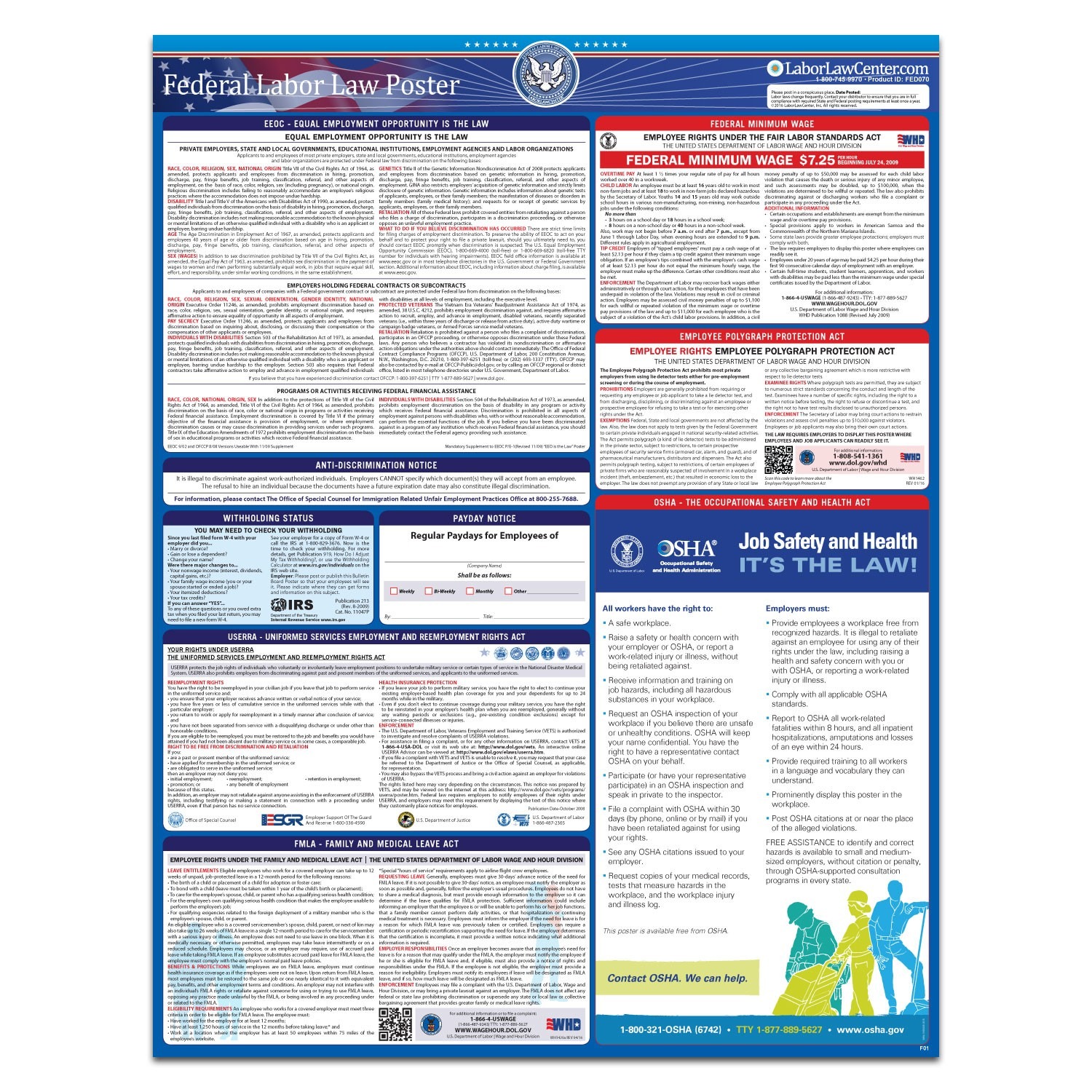
I found that child labor laws differ from state to state, but they are all guided by Federal regulation. The Vermont state Web site has a comprehensive overview of what constitutes child labor. The site also gives information about the particulars of the Vermont Child Labor Law, which are very helpful for employees, minors and parents of minors.
A minor is considered to be any individual under the age of 18. In the eyes of the Vermont law, a minor’s ability to work is governed by the Child Labor Law, even though many teenagers would not considered themselves to be children. However, the intention of the law is to protection minors from excessive work hours and dangerous occupations until the age of 18.
The current Vermont Child Labor Law was adopted in 2003, approximately the same time as the Federal laws were put into place. While the State and Federal laws are similar in purpose and mission, the basics of the law do differ on some levels. The more stringent law applies when the two laws are in conflict.
First, child labor requirements are divided into non-agricultural and agricultural employment. Each division is then further divided into three categories: Children under 18, children under 16 and children under 14 for non-agricultural. For agricultural, the categories are: children under 16, children under 14 and children under 12 (otherwise known as “tiny tots”)
In non-agricultural positions, children under 18 may not work in any occupation listed on the list of the 17 most hazardous occupations that was developed by the secretary of labor. Their work hours are also restricted a great deal.
In agricultural-positions, children under 16 are prohibited from certain occupations that are considered to be hazardous. Additionally, a minor under the age of 14 may only be employed on his or her parent’s farm or with written parental permission. Hours are also restricted.