An employer argued in federal court recently that the Uniformed Services Employment and Reemployment Rights Act, or the USERAA, did not require him to have to give his returning service man employee all of the pay raises and promotions that he would have gotten had he not been deployed in active duty with the military, unless the employee gave him a written notice of application for all of those things upon returning stateside and to work.
However, the court in this instance—a federal court in the Blue Grass State of Kentucky—found for the employee. The court said that the employer had to immediately give the returning service man his job back—with all of the pay raised and all of the promotions that he would have gotten had he not been on active duty—without the service man having to do any sort of written application. The court interpreted the Uniformed Services Employment and Reemployment Rights Act to say just that, and allowed the returning employee to either request reinstatement by written or spoken application.
What had happened in the case in Kentucky was that the service man had been back stateside for 13 months between the time he requested his old job back from his employer and the time his employer actually gave him his job back. And then even when the employer gave the job back, the employer only offered the returning service man the same pay he was making when the employee left the job for active duty. The service man decline the offer after all, and found himself another job. But the employee still decided to bring a suit against the employer in the federal court under the rules of the Uniformed Services Employment and Reemployment Rights Act.
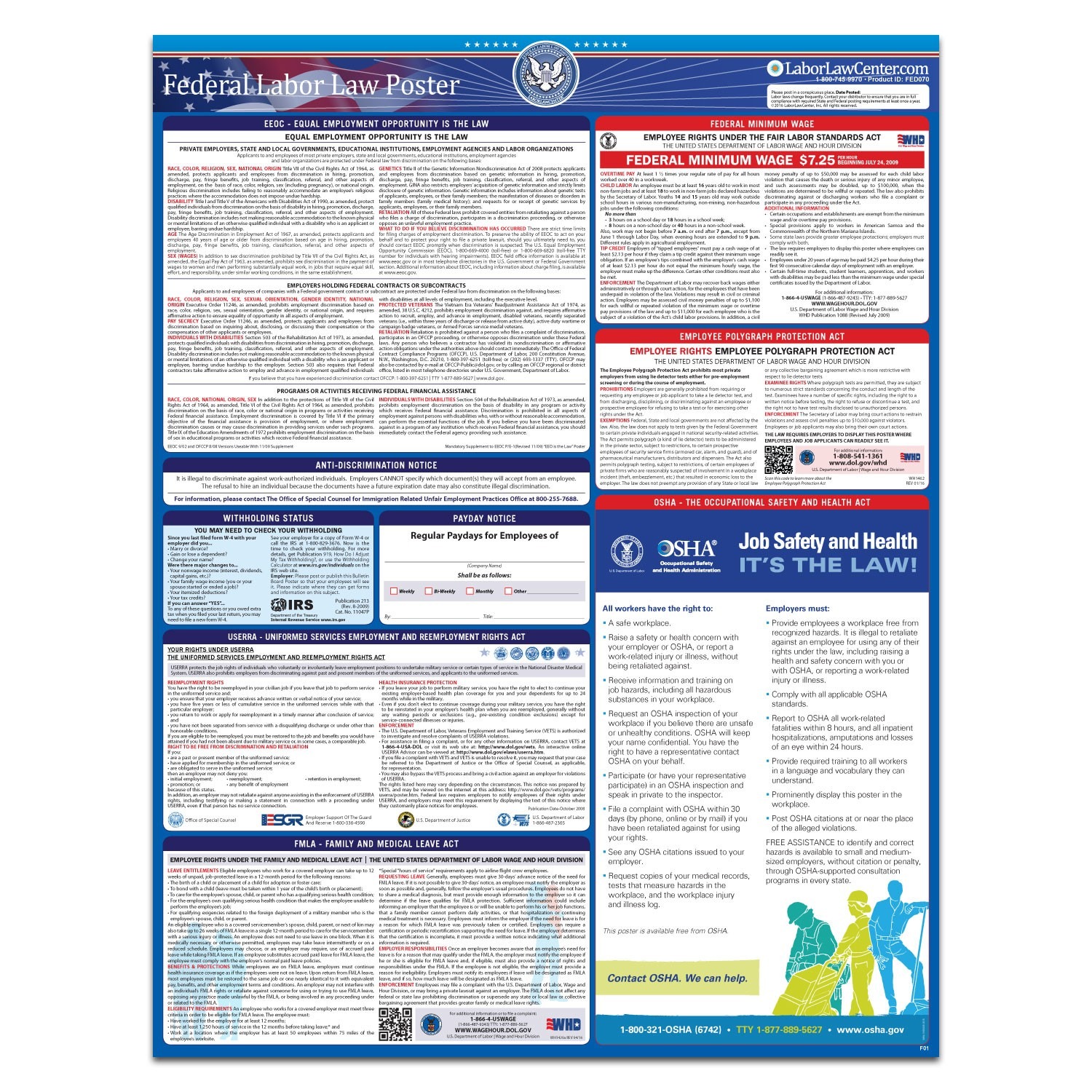
All employers should be familiar with the Uniformed Services Employment and Reemployment Rights Act, since we all have to post a USERAA poster in our work sites.