The long, hot summer is almost upon us. You can tell by the number of teenagers looking for summer jobs. There are many good reasons to hire a teenager or two during the summer school break but it’s probably wise to keep in mind all the rules and regulations that govern hiring children.
Yes, teenagers are legally considered children under the Texas child labor laws even though the biggest argument you’re likely to get on that score comes from the teenagers themselves. No matter how big, strong, or precocious the teen seems, the crucial factor when it comes to the law is age. The job responsibilities allowed for teenagers even differs from younger teenagers to older ones.
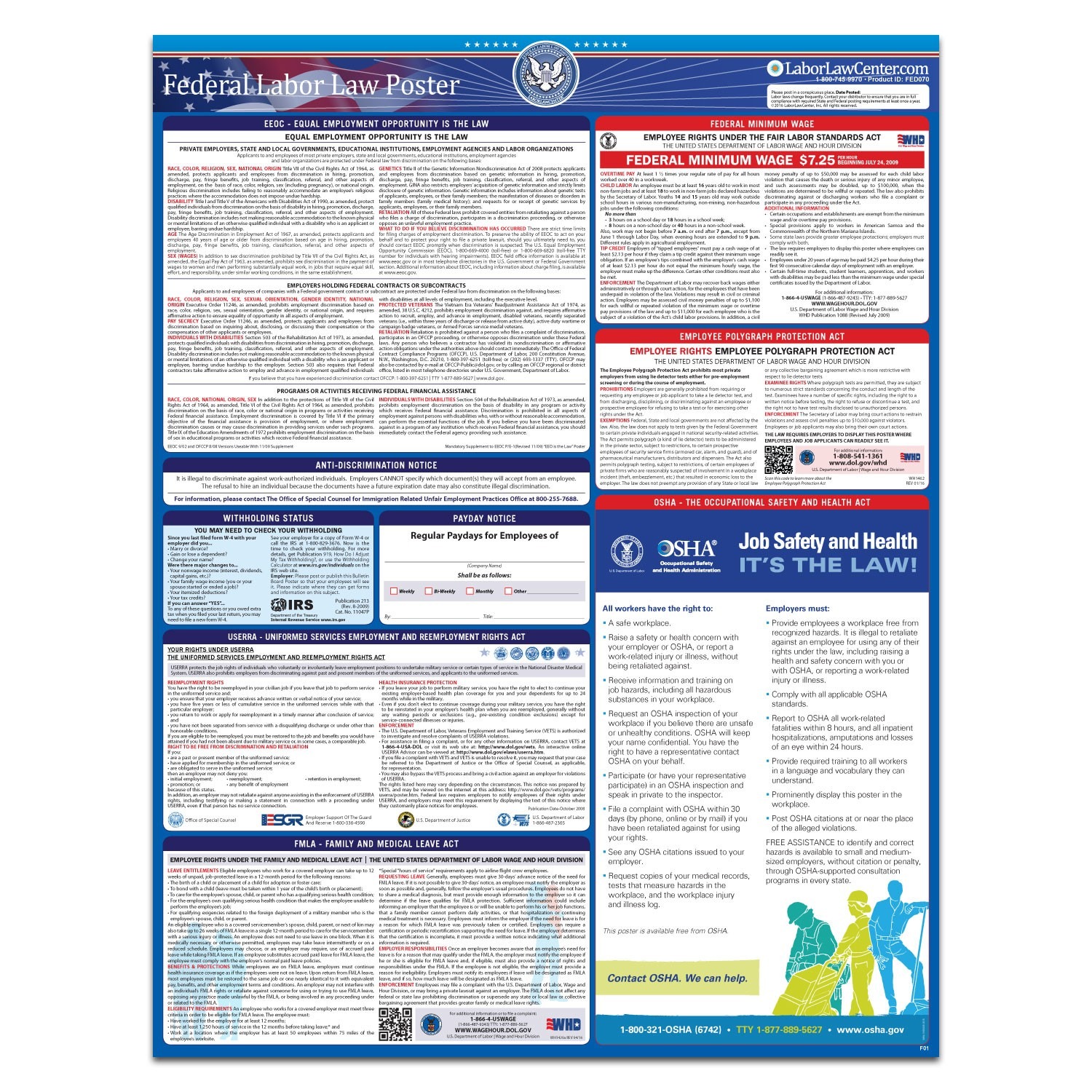
Texas child labor laws are enforced in conjunction with regulations issued by the US Department of Labor (DOL). According to the DOL, there three age categories for teenagers on the job and each category brings its own set of allowed duties and restrictions. The age categories are ages 14 and 15, ages 16 and 17, and teenagers older than 17.
For the younger teens, no more than three hours of non-hazardous work on a school day is allowed and no more than 18 hours per week during the school year. Once school is out, a standard 40-hour workweek is allowed as long as the child doesn’t work any more than 40 hours in one week. These 14- and 15-year old teens are allowed to report to work only from 7 AM ‘til 7 PM during the school year and until 9 PM during summer months.
Older teens, ages 16 and 17, have no limit on number of hours worked or the time of day spent on the job. They can do any tasks not deemed hazardous by the DOL, which usually excludes teens working with any power-driven equipment and machinery. Interestingly enough, though, teens in this age bracket are allowed to operate power-driven lawn-mowing equipment.
Texas employers are encouraged to hire teenagers for summer work. According to TWC’s Ron Lehman, Commissioner Representing Employers, “The teen workforce is a definite asset to employers at a time of year when business traffic is traditionally high. It is imperative that employers understand the types of work activities young workers can perform safely and legally to benefit the most from the experience.”