In the absence of a defined minimum wage rate, it is possible for an employer to exploit workers, especially if there is a dearth of opportunities or unemployment rate is high. Under such circumstances, desperate job seekers can be made to work on terms that favor the employer only.
The Fair Standards Labor Act (FLSA) of 1938 was enacted to prevent this from happening. A minimum hourly wage rate was decided, which was the least payable amount to any worker for an hour of work. But surprisingly, five out of the fifty states have no minimum wage rate. These states are Tennessee, Louisiana, South Carolina, Mississippi and Alabama. An employer in these states can pay his workers as little as he wants, unless his firm is engaged in inter-state business.
The federal legislation regarding minimum wage takes precedence over the state laws if an organization generates more than half a million dollars in revenue per year, or engages in interstate business. “Interstate business” is a rather loose term that applies to a business if it orders supplies or raw material from another state, generates queries from outside its own state borders, or even if it engages in correspondence with suppliers or buyers from other states. This includes pretty much every business into the category of enterprises engaged in “interstate commerce.”
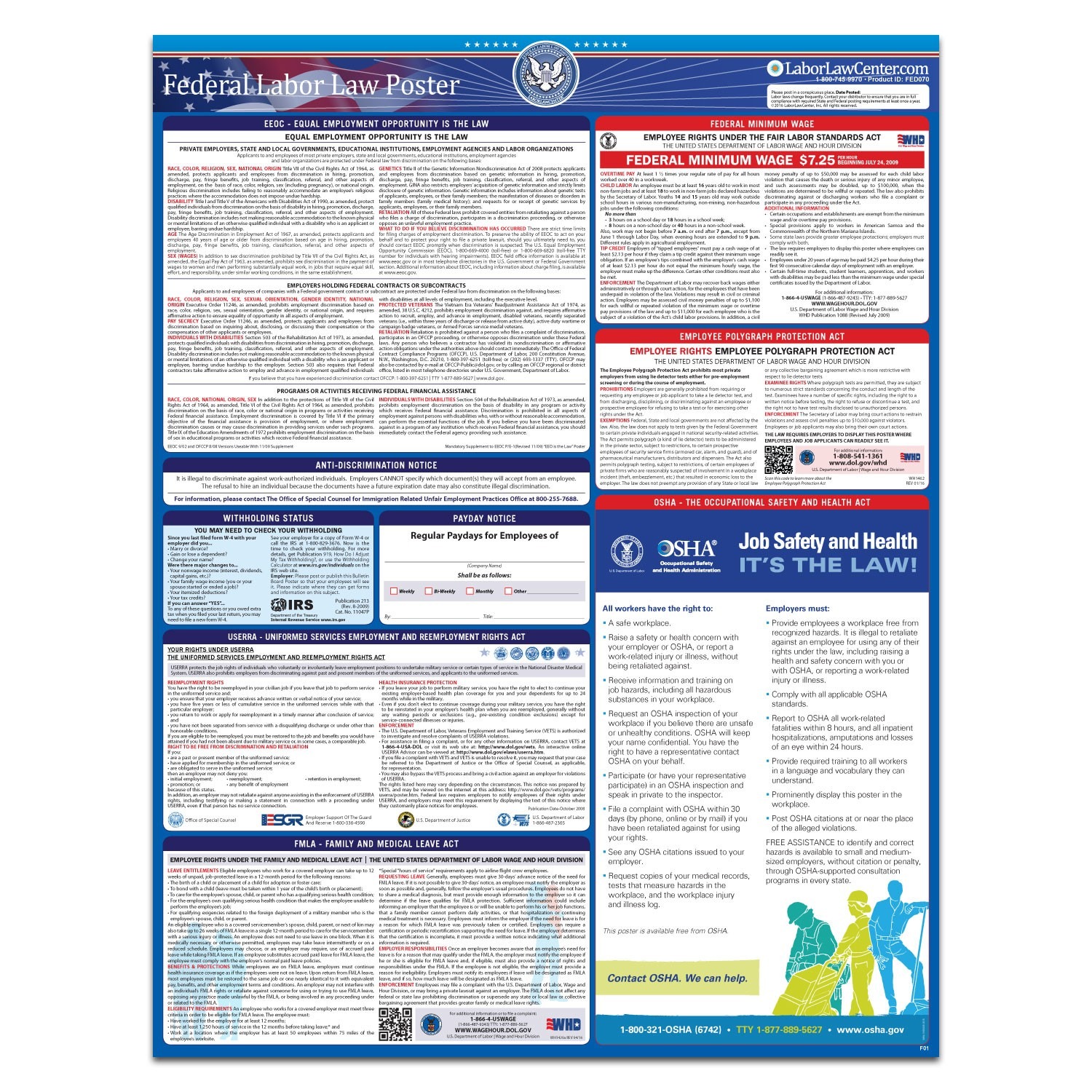
The president is expected to sign a bill to increase the minimum hourly wage some time this summer. This increase will be implemented in three steps, increasing the wage rate by 70 cents on each step. The first increase will take place sixty days after the bill has been signed, and increase the wage rate from $5.15 to $5.85 per hour. Exactly a year later, it will be increased from $5.85 to $6.55 per hour. Another year later, in 2009, the wage rate will see its last increase, taking it to $7.25 per hour.
Since there is no Tennessee minimum wage, the state’s lowest paid employees will benefit the most from the increase in federal minimum wage. Of course, the same holds true for the other four states as well.