A new law allows Tennessee employers to issue payment to workers by prepaid debit card or direct deposit as well as cash or check. The law went into effect on July 1, 2010.
Previously, Tennessee law allowed an employer to pay by cash or check, but did not mention direct deposit, debit cards, or any other electronic form of payment. The new law allows direct deposit, a convenient form of payment that has become the standard for many employees. Direct deposit, also referred to as electronic automated funds transfer, is preferred by many employees because the funds are often accessible faster than payments by check.
The new Tennessee payment law also permits employers to pay workers with a prepaid debit card. However, certain conditions must be met:
-
An employer must permit the employee to make a choice between being paid by direct deposit or prepaid debit card.
-
The debit card must permit employees to make one or more transfers or withdraw each pay period without charge.
-
An employer must disclose debit card fees to the employees and explain both payment systems to them.
If an employee opting for direct deposit fails to provide bank account information, the employer can legally pay by debit card instead.
Under current Tennessee law, employers are also prohibited from making deductions without the employee’s authorization. When an employee is terminated, including laid off, fired or resigning, the employee must be paid his or her wages owed in full by the next regular payday, but not more than 21 days after the employee’s last day at work.
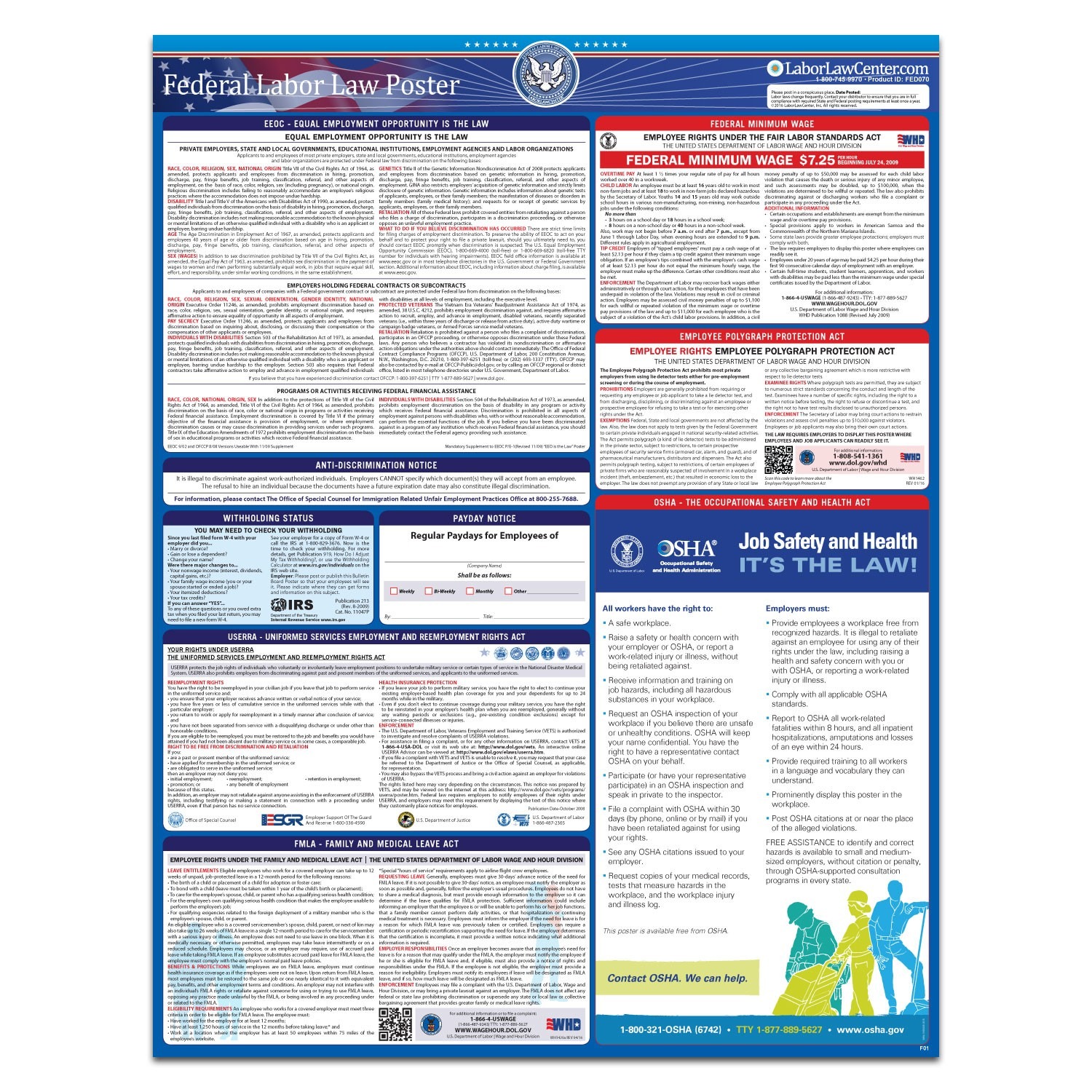
Employees must be paid at least twice per month, and notice of paydays must be prominently displayed in at least two locations in the workplace.
The Tennessee Department of Labor and the Labor Standards Division enforce these laws.