One can only imagine what today’s Oregon minimum wage is doing for welfare recipients and the lowest paid workers in the state, because today’s Oregon minimum wage is significantly higher than it was even back in the 1990s. as of November 2002, the state has had a new minimum wage law that was passed by the voters of the state on a ballot initiative. The Oregon minimum wage bill increased the minimum wage off the bat with one increase, but then since, then the law has also ensured that the Oregon minimum wage will increase every year—based on the rate of inflation.
There is some difference in this in how state’s do their minimum wage, but whichever way they do it, it definitely seems like this inflation index is a pretty important deal when states decide how they want their minimum wage increased. For instance, if they decide, as Oregon did, to index the minimum wage to inflation, then it would take a separate new law to stop these minimum wage increases from happening every year into the future. Whereas, if the state decides not to attach the minimum wage to the inflation index, then it would take a law after a given increase in a year to make another increase happen the next year.
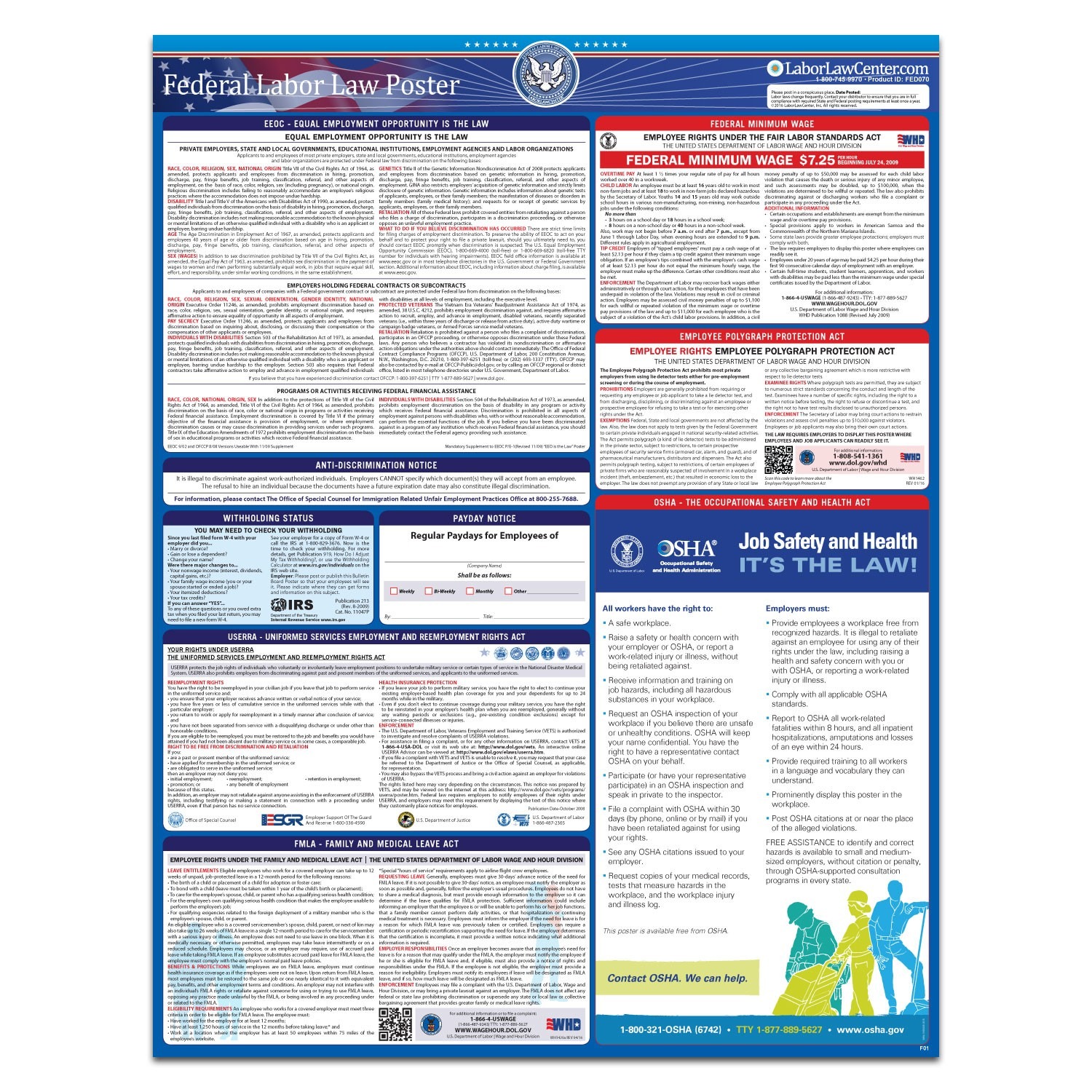
For instance, in the year 2005, the Oregon minimum wage went up from $7.05 per hour to $7.25 per hour, all based on the rate of inflation the year before in the state. This increase happened automatically based on the rule set up by the law passed in 2002. Then after that 2005 increase, which happened on January 1, the state has seen two more automatic minimum wage increases on January 1, 2006, and then just this past January 1, 2007. And then come January 1, 2008, the Oregon minimum wage will go up again based on the inflation rate.