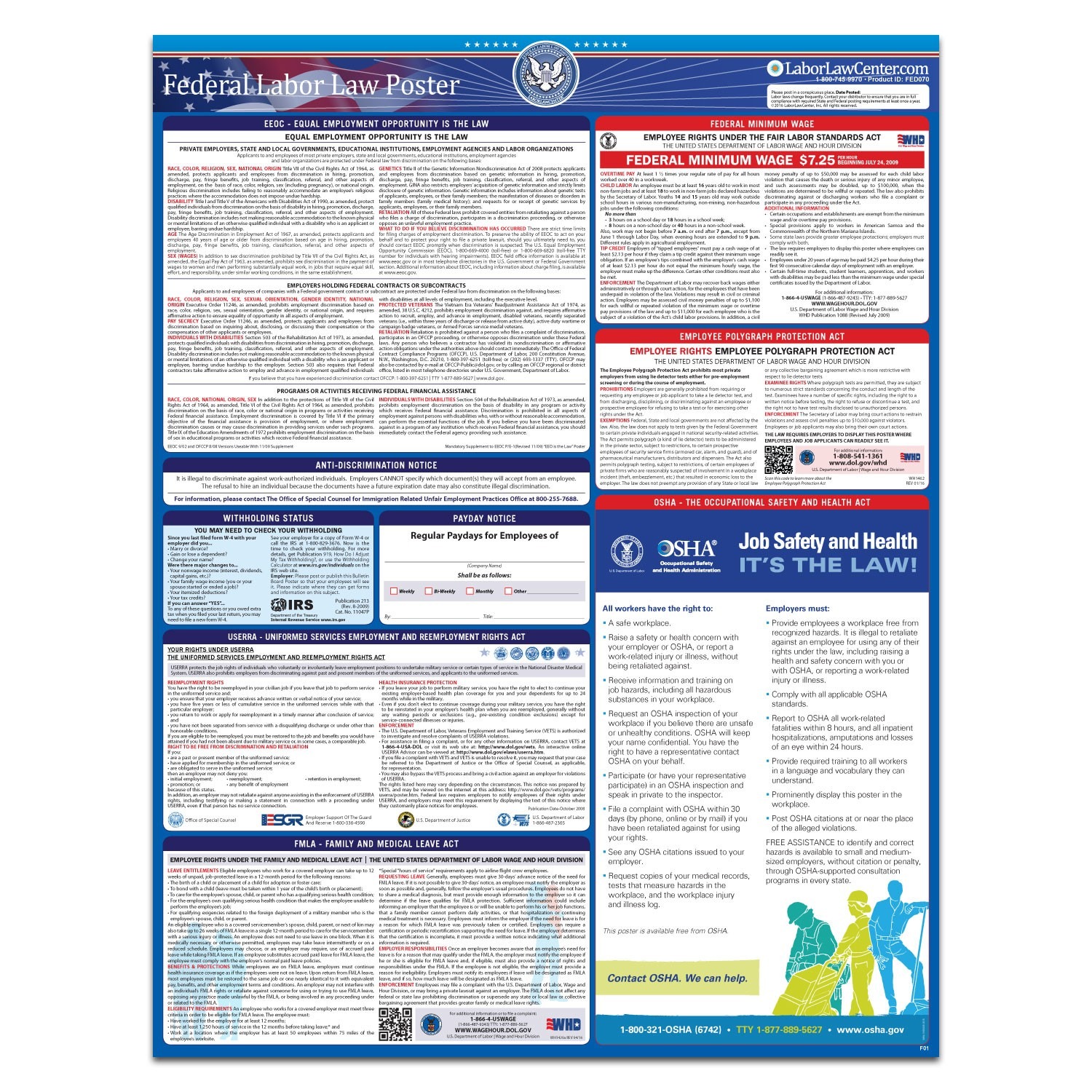
Under the Family and Medical Leave Act (FMLA), employees have the right to as much as 12 weeks of unpaid, job-protected leave yearly to deal with their own “serious medical condition” or that of a member of their immediate families.
Employers, in turn, have long had the right to require that a professional healthcare provider certify the employee’s condition. Employers have had the right to request second and third opinions, provided they pay for them.
Now some of the regulations regarding certification are being streamlined and updated. The new rules permit employers to “request” recertification of an ongoing condition at least every half-year, in connection with an absence.
The U.S. Department of Labor uses the word “request,” but employers may actually deny an FMLA leave if an employee does not reply with that “request.”
A new provision would allow employers to require new medical certifications yearly for an employee’s ongoing health condition. If a worker has migraine headaches, for example, and must take periodic days off through FMLA, yearly recertification may legally be required.
The new rules allow employers to clarify a medical condition with a healthcare professional as long as neither party violates HIPAA medical privacy regulations. Employers may not, however, ask the providers for information not included on the certification. While the WH-380 form has been updated, it remains optional. Healthcare providers need not supply a diagnosis.
Under the old regulations, employers could request recertification if a previous certificate put a time limit on the health condition. The problem is that providers often list conditions as “lifetime” or their duration as “unknown,” effectively preventing employers from seeking recertification. The new rules change that. If Mary suffers from carpal tunnel syndrome requiring 6 weeks’ absence, her employer may seek recertification if she is absent after 6 weeks are up.
Employers, under the old rules, could request recertification after 30 days, but only if the employee was currently absent on FMLA leave. If, for example, employee John takes more than one month off under FMLA his employer could seek recertification, but only if John is still away from work.
More Ohio FMLA Changes
New changes to the FMLA regulations will be published in the National Register after April 11, 2008. At that time they become law. Until April 11, employers may comment on the updates, as may other interested parties.
The U.S. Labor Department recently issued the proposed changes that will affect employers around the U.S. A significant change involves revisions to the so-called “fitness-for-duty” certification process.
One change would permit employers to require that the certificate specifically talk to the matter of an employee’s capability for performing key components of his or her job. If a warehouse worker’s job largely consists of lifting heavy containers, for example, the employer may require certification that the worker is capable once again of lifting heavy objects.
Another is designed to eliminate occasional abuse of the FMLA leave by some employees. It addresses situations in which workers take intermittent, short-term FMLA leave. The update would allow employers to require a “fitness-for-duty” certificate each time the employee wishes to return to the job, provided there is a valid safety concern.
If truck driver Carl, for example, suffers from migraine headaches that interfere with his vision, his employer may require a certificate each time Carl returns. Having a driver with impaired vision would be a valid safety concern. However, if an employee is pregnant and suffers intermittently from serious morning sickness requiring her to take FMLA leave, a certificate could not be requested because there is no valid safety concern involved.
FMLA regulations currently allow employers to require certificates from a healthcare professional showing they are capable of returning to work. The policy, as with other policies, must be applied consistently in similar situations. All employees taking FMLA leave for a “serious health condition” could be required to provide a certificate when they wish to return. But the manager may also choose not to require such a certificate from someone returning after caring for a newly adopted child.
This policy and all policies must adhere to Title VII of the Civil Rights Act. Title VII prohibits workplace discrimination based on religion, national origin, gender, color, or race.