The Northern Mariana Islands are another United States territory that could face the changes brough about by the federal minimum wage, according to my sources. Some of them credit good lobbyists to explain why the Northern Mariana Islands have been kept out of the federal minimum wage before. For instance, they say that Democrats in the Congress have been trying for years to make employers in the Northern Mariana Islands more liable to follow federal wage and hour laws, but that certain Republicans have prevented this from happening. Whether that is hearsay or fact does not matter at the moment—what is more important are the recent developments, all signs of which point to the fact that the Northern Mariana Islands could soon be a part of the federal minimum wage law, if and when the president signs the bill currently attached to the Iraq war supplemental spending bill. (All this confusing? Read on. I will get to the federal minimum wage politics in just a bit.)
Some claim that employers in the Northern Mariana Islands, however, need this move to bring them under the auspices of the federal minimum wage bill because there has been the development of so called sweatshops on the island, especially in the garment industry. Some even say that the Northern Mariana Islands have certain indentured servants and even near slaves in the territory. Like American Samoa, the Northern Mariana Islands are in the Far Pacific.
It is an interesting note that the first House minimum wage bill version that came through back in the winter included the Northern Mariana Islands as territories to be wrapped into the new federal minimum wage increases, but it did not include American Samoa. If you remember, that caused a big stink in the media and in Washington DC, which of course I reported on. The reason was that the Republicans accused Nancy Pelosi of catering to fishing interests out of her home state of California. The likes of Starkist tuna have canneries in the American Samoa territory, so it would make sense economically of course for these companies if the American Samoa minimum wage kept lower than the rest of the United States.
But after pressure from the media and from the Republicans, that version of the House federal minimum wage bill did not pass. Instead, the way the law would work now—as announced by Speaker of the House Pelosi—would be that no United States territory would be exempt from the new federal minimum wage. That removes any doubt of conflict of interest from the halls of Congress—at least where the federal minimum wage and the U.S. territories are concerned—and effects a change that many in the government sector have been calling for in regards to bringing the full federal wage and hour laws to the outskirts of America.
The impact in the American Samoa, according to those local officials whom we heard from in the last blog post here, could be more than expected. But the impact in the Northern Mariana Islands is not perhaps going to be any less drastic for employers who are used to paying much lower wages. We can only wait and see what happens. The whole issues of indentured servants, slave labor, and unfair wage and labor practices that some claim employers in the Northern Mariana Islands practice could come to a head if the federal minimum wage bill gets passed into law and the Department of Labor plays a bigger role in the Northern Mariana Islands in regulating how employers treat their employers.
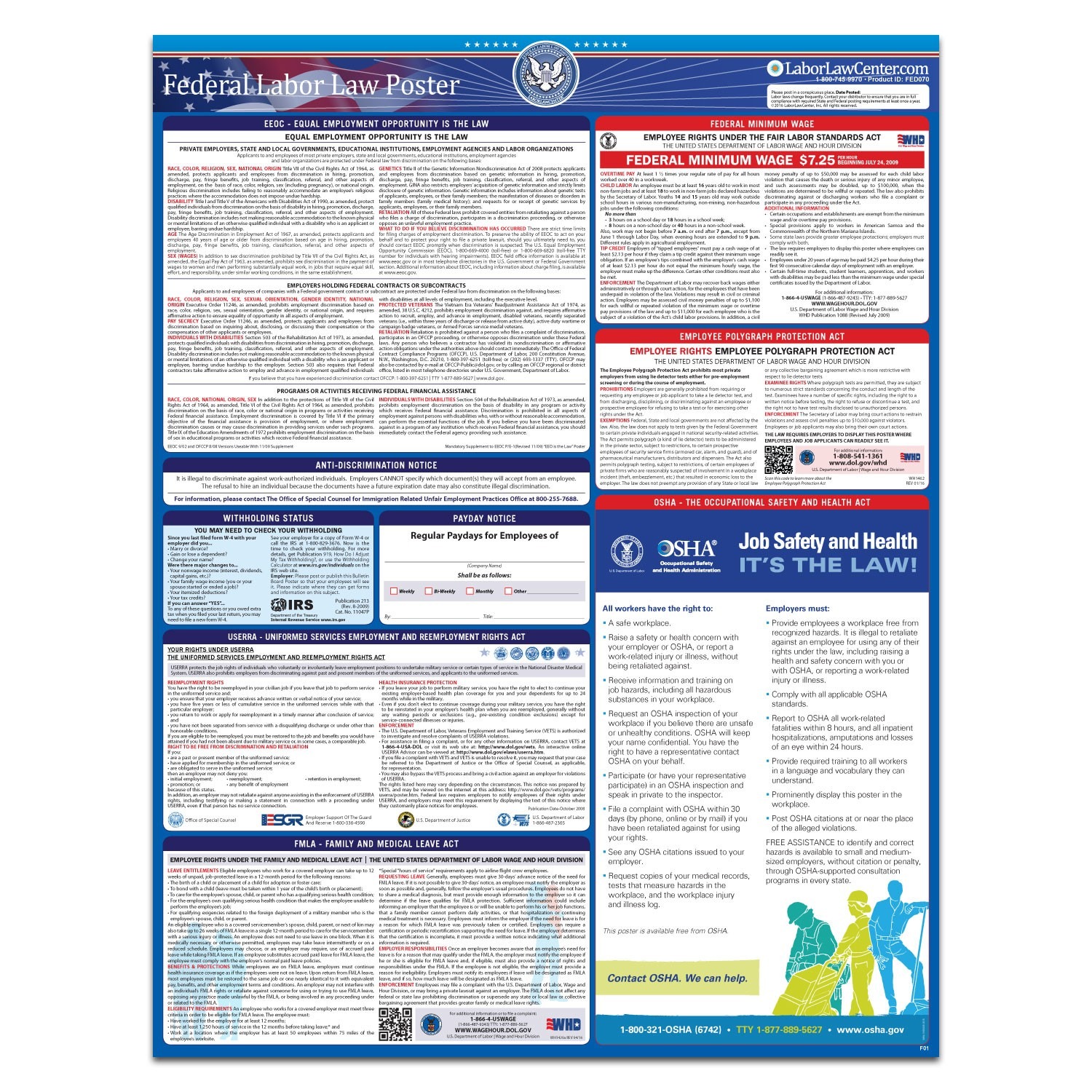
This is for sure, in the very least—as in American Samoa, in the Northern Mariana Islands, employers can expect to have to have themselves federal minimum wage labor law posters in their work sites if the new law gets passed, in the very least. At the most, they will need to drastically alter their pay roll and how human resource management gets done at their companies.