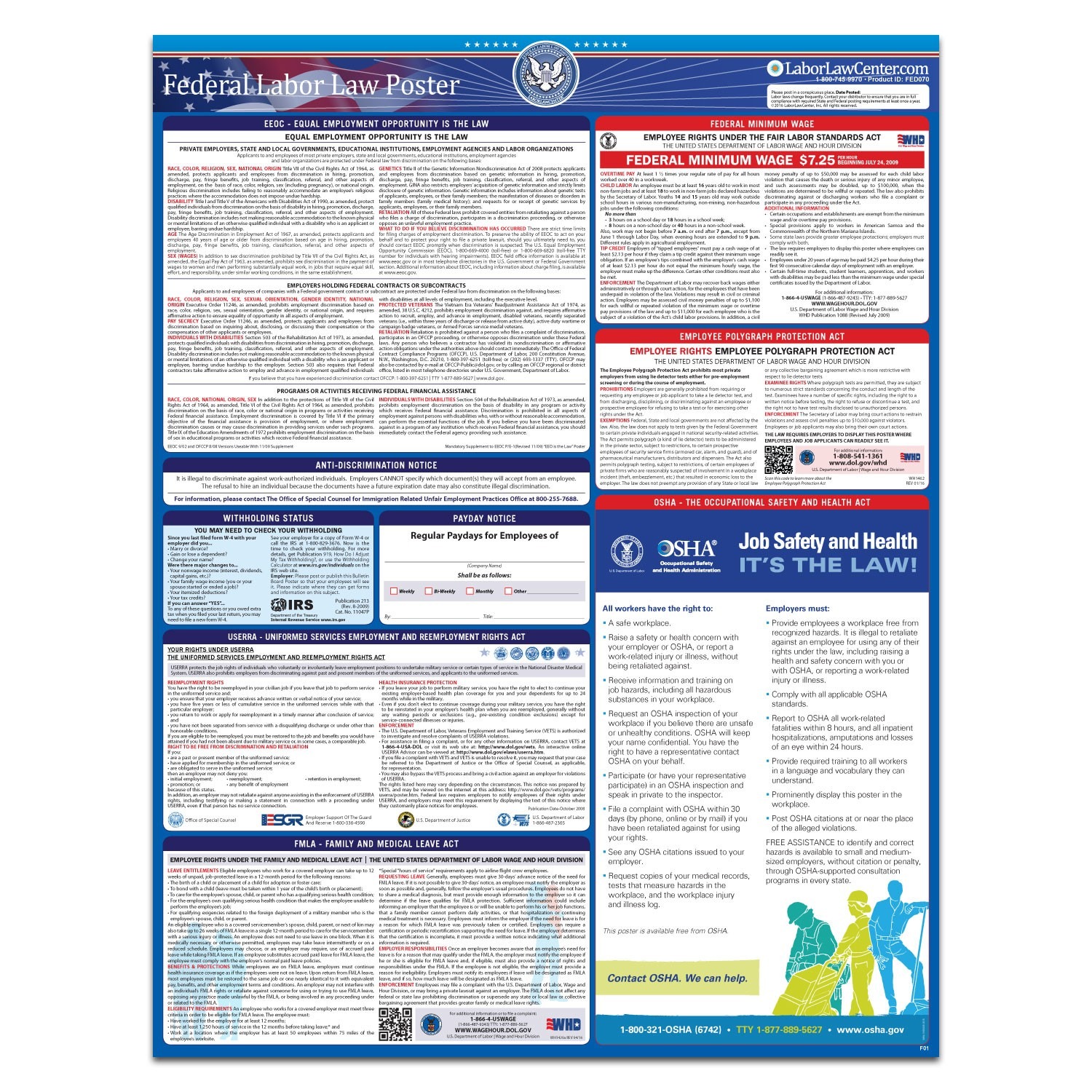
I believe that the North Carolina Wage and Hour Act is important to discuss because it provides employee protection for all issues surrounding the payment of wages. For example, minimum wage, overtime pay, payments of promised wages that may not fall under normal laws, employment of youths, and keeping records of employee wage payments all fall under the Wage and Hour Act.
The minimum wage rate in North Carolina is the same as the Federal Minimum Wage, which is $5.15 per hour. If the Federal Minimum Wage increases, the North Carolina Minimum wage will as well. Generally, North Carolina employment laws will parallel federal mandates.
Overtime must be paid when the number of hours worked in a week exceeds 40, although there are a few exceptions. All employers are required to give written notice of the wage rate as well as changes made in the wage rate. Employers also must provide a check stub showing the pay, the rate, and the deductions.
As is true in many other states, North Carolina law allows youths who are under age 18 to be employed, but there are restrictions on both their hours and the type of jobs they may consider. All youths under the age of 18 must obtain an employment certificate.
North Carolina’s Wage and Hour Act is just one of several regulations that are overseen by the Wage and Hour Bureau. The Bureau enforces the Wage and Hour Act through compliance investigations, education, and outreach. Their purpose is to protect employees from unfair payment practices. If you have a wage complaint, you must wait ten days after the payday in order to file a complaint. Then you contact the Department of Labor for North Carolina. It is important to note that they only cover complaints that dispute an amount greater than $50.