Workers in New York State who wish to donate blood may take up to 3 hours of leave annually to go to blood drives off the worksite.
The opportunity is thanks to the New York Employee Blood Donation Leave law, which is enforced by the New York Department of Labor.
Encouraging participation in blood drives, the law requires that employers allow their workers to take the time off during their regularly schedule hours without fear of reprisal or pressure. There are limits on blood drive leave, of course. Workers may not carry the time over from one year to the next. Just because a worker fails to use 3 hours of leave in 2008 does not mean she or he is entitled to 6 hours in 2009.
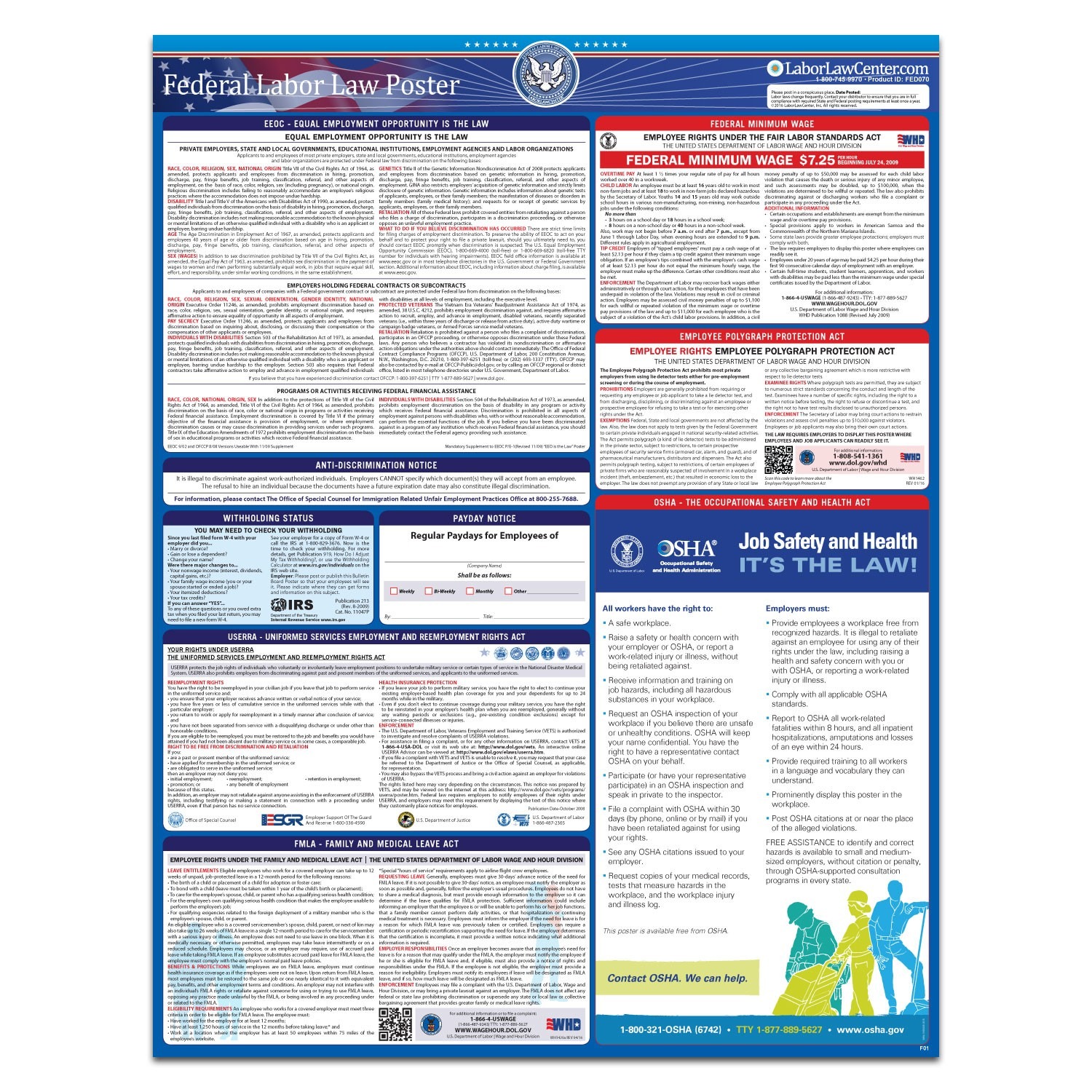
Every New York employer must display a New York Blood Donation poster.
Blood donation leave must be offered above and beyond existing vacation time, sick leave, or personal leave. The employee must have sufficient time to give blood, then take a short rest and have a snack.
Management may develop an alternative plan to having employees go to an off-site blood drive. For example, an employer may offer such a drive right at the employment site. If the project is two large for one business to tackle, employers may work together on a drive.
Employers must offer their alternatives to unpaid blood donor leave time at least twice in a calendar year, and must be during workers’ regular hours. Employees should not be required to travel an inconvenient distance, and the date must be posted prominently. The law also requires that the two blood drives must be at least 60 days apart, and not during times when employees are typically away on time off, such as the Christmas-New Year period.
Blood donation time beyond the legally required 6 hours annual may be given. Often such added leave time is a result of company policy or of a union contract.
The applicable legislation is section 202-j of the New York Labor Laws. If a worker cannot attend an alternative to blood donation because he or she is on vacation or sick, the time must still be provided by the employer.