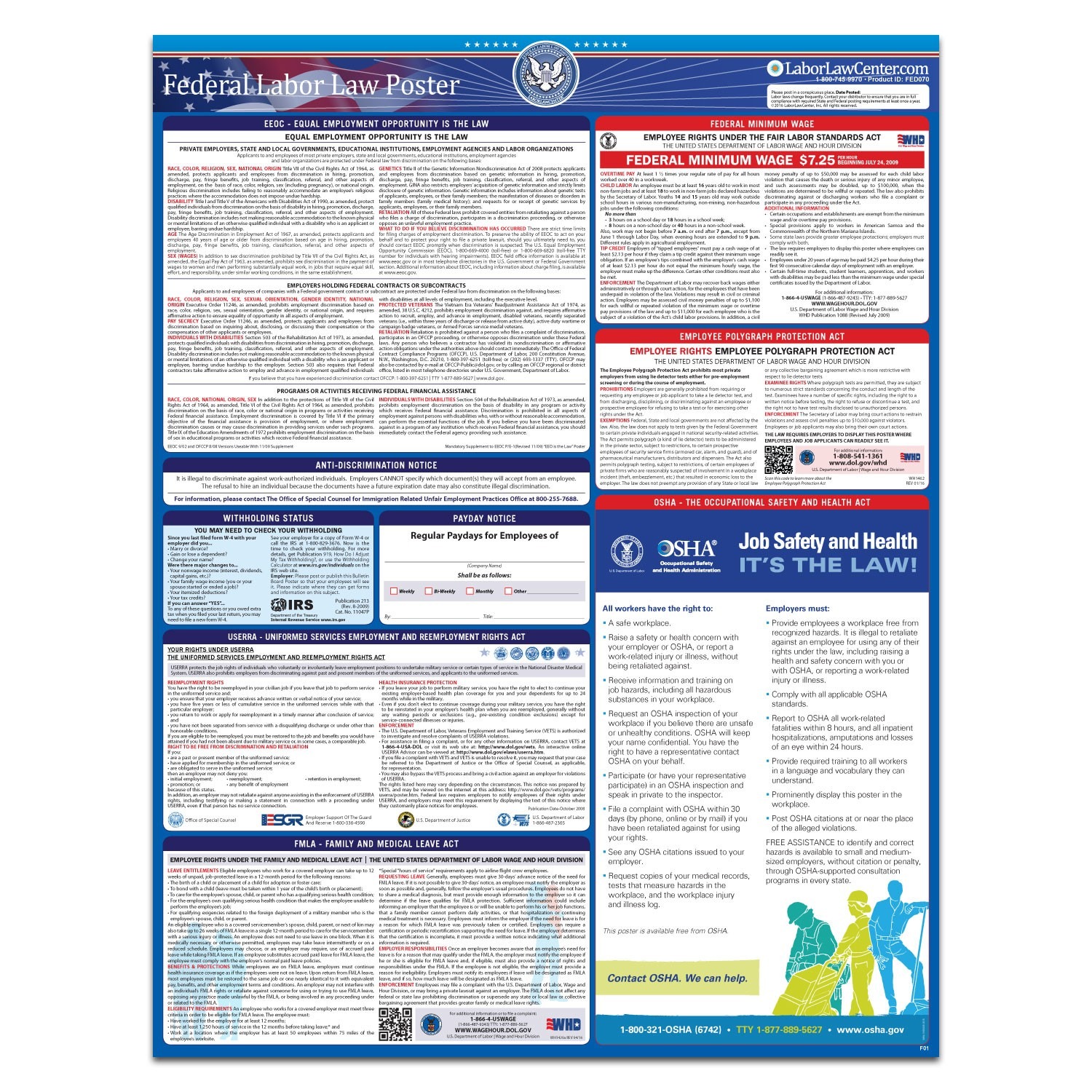
New Mexico (NM) wage and hour laws were written to establish a standard for all employees and employers. These laws serve as a guide for the entire state of Nebraska.
New Mexico (NM) wage and hour laws do not make a specific provision for minimum wage. Instead, they follow the federal standard for minimum wage, which is currently set at $5.15 per hour. Tipped employees currently receive $2.13 per hour if they earn more than $30.00 in gratuities within a given month.
There have been some efforts being made to increase the minimum wage in New Mexico to $7.50 per hour by the year 2007. If this increase does apply it could be higher than the federal minimum wage, which is said to possibly increase to $7.25 per hour.
New Mexico (NM) wage and hour laws state that workers who put in more than 40 hours in one 7-day work week must be paid overtime one and a half times the regular work wage for those extra hours. For example, small businesses with revenue under $500,000 are not required to pay overtime wages to their workers.
New Mexico (NM) wage and hour laws also explain what hours count as overtime. For all workers in New Mexico hours that count towards overtime must be actual hours worked. These cannot be hours paid for vacations, holidays, or other time off. Some employers are exempt from paying overtime, such as bona fide professionals (i.e. executives or salaried workers receiving $455.00 or more per week.).
New Mexico (NM) wage and hour laws do not make specific provisions regarding breaks, except to say when it should be paid for by the employer. If a worker receives a 30 minute break or more the employer does not have to pay for it.
If a break given to a New Mexico employee is less than 30 minutes long the employer will be required to pay for it. Nowhere in New Mexico’s laws does it say that employers are required to give breaks, but many New Mexico employers give them willingly to help increase employee productivity.
Additional provisions are made by New Mexico (NM) wage and hour laws that both employers and employees should read. These laws establish a standard for all industries and workers, and are usually available on the premises of all employers