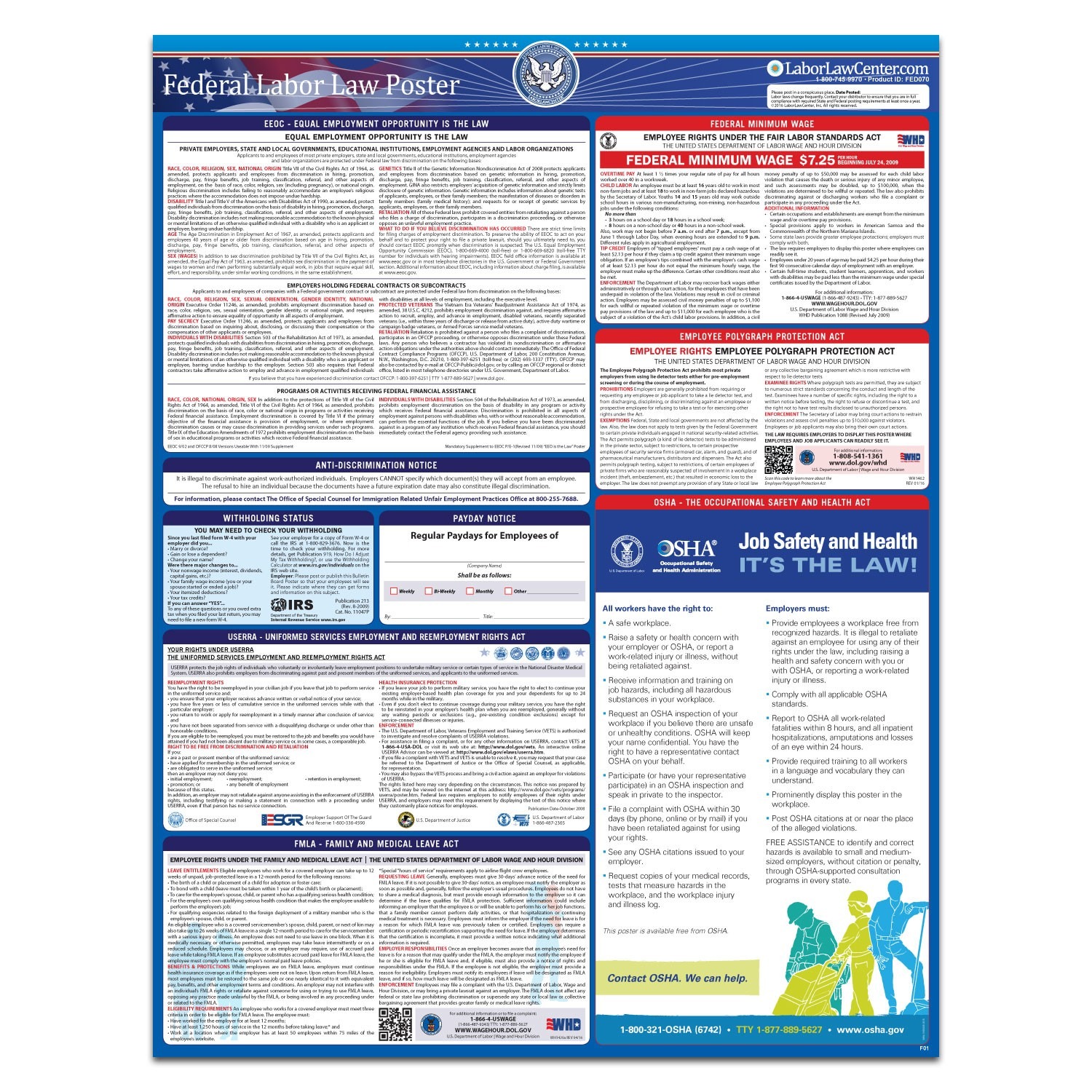
New FMLA (Family and Medical Leave Act) regulations that will affect every Missouri employer were proposed by the U. S. Department of Labor on February 11, 2008. The new regulations go into effect on April 11, 2008, which gives employers several weeks to review the changes.
After they review the new regulations, employers can post comments on a website. Simply click this link and type in “Family and Medical Leave Act” in quotes. All comments posted to this site are viewable by the public.
On of the major changes is the policy regarding using paid time off while on FMLA leave.
Currently, Missouri employees can utilize accrued sick time while on FMLA leave. The new regulations will allow employees to not only use accrued sick time, but personal leave and vacation leave, too. To use paid time off (PTO), though, the worker must meet all requirements for taking leave. The term for this is “substitution of paid leave”.
Consider Mary, who will be taking FMLA after the birth of her baby. She currently has 2 weeks of sick leave, 5 weeks of vacation time and 3 weeks of personal leave. Under the new regulations FMLA, Mary will be able to utilize all 10 weeks of her PTO. Once that leave is exhausted, she is still eligible for 2 weeks of unpaid leave. Under this plan, Mary has substituted PTO for a portion of unpaid FMLA.
Under the previous policy, Mary would only have been able to use the 2 weeks of sick leave, requiring 10 additional weeks of unpaid leave.
Another change to the FMLA, though minor, stands to make a lot of employers and workers happy. Previously, FMLA was not counted toward an employee’s absences. Supervisors and coworkers alike considered this unfair as some of these employees gained “perfect attendance” awards and bonuses–even after being away from work for 12 weeks.
Under the new policies, FMLA leave will count toward a worker’s absences just like any other leave, thereby disqualifying those workers from perfect attendance” accolades.
More Missouri FMLA Changes
On or about April 11, 2008, several changes to the FMLA (Family and Medical Leave Act) will go into effect. The U. S. Department of Labor proposed these changes on February 11, 2008 and is providing the interim weeks as an opportunity for employers to comment on the changes.
Victoria Lipnic of the U. S. Department of Labor stated “It’s time to update these regulations — to reflect court decisions, clear up ambiguities and address issues that weren’t contemplated when the regulations were first issued in 1995.”
The issues being amended include the “Ragsdale” decision on employer penalties, the substitution of paid leave if the worker meets requirements and adjustment of the process for “fitness-for-duty” certification.
Ms. Lipnic further stated, “This proposal is the result of a thoughtful, careful process that included a Request for Information with 15,000 public comments in 2006, many conversations with stakeholders, and the department’s experience in administering and enforcing the law.”
The concept of “serious health condition” for an employee is a main focus of the new FMLA regulations.
The purpose of FMLA is to provide employees with up to 12 weeks of unpaid leave for their own “serious medical condition” or for that of a child, parent or spouse. To obtain that leave, companies normally require medical certification of the “serious medical condition” by a healthcare provider. The U. S. Department of Labor permits this practice to help prevent abuse of the leave.
The rules regarding FMLA leave provide several different acceptable definitions of “serious medical condition”. For example, one definition states “two visits to a health care provider” and 3 consecutive calendar days of incapacity, qualifies as “serious medical condition”.
The new regulations retain six definitions, plus provide a clarification of the rather vague “two visits to a health care provider”. Before the proposed amendments, no time frame was given for these two visits. One court, (the Tenth Circuit Court) ruled that the visits had to occur within the incapacitation period.
With the new regulations, the U. S. Department of Labor will set the time frame as within 30 days of the period of incapacity.