If you live in Mississippi, you’re probably wondering how the increase in the federal minimum wage will affect you.
Mississippi is one of 5 states that have no state minimum wage. The others are Alabama, Louisiana, Tennessee and South Carolina. In all of those states, an employer could legally hire someone to work for $1.00 per hour, or even less. That’s provided that he or she could find anyone to work at that price, of course.
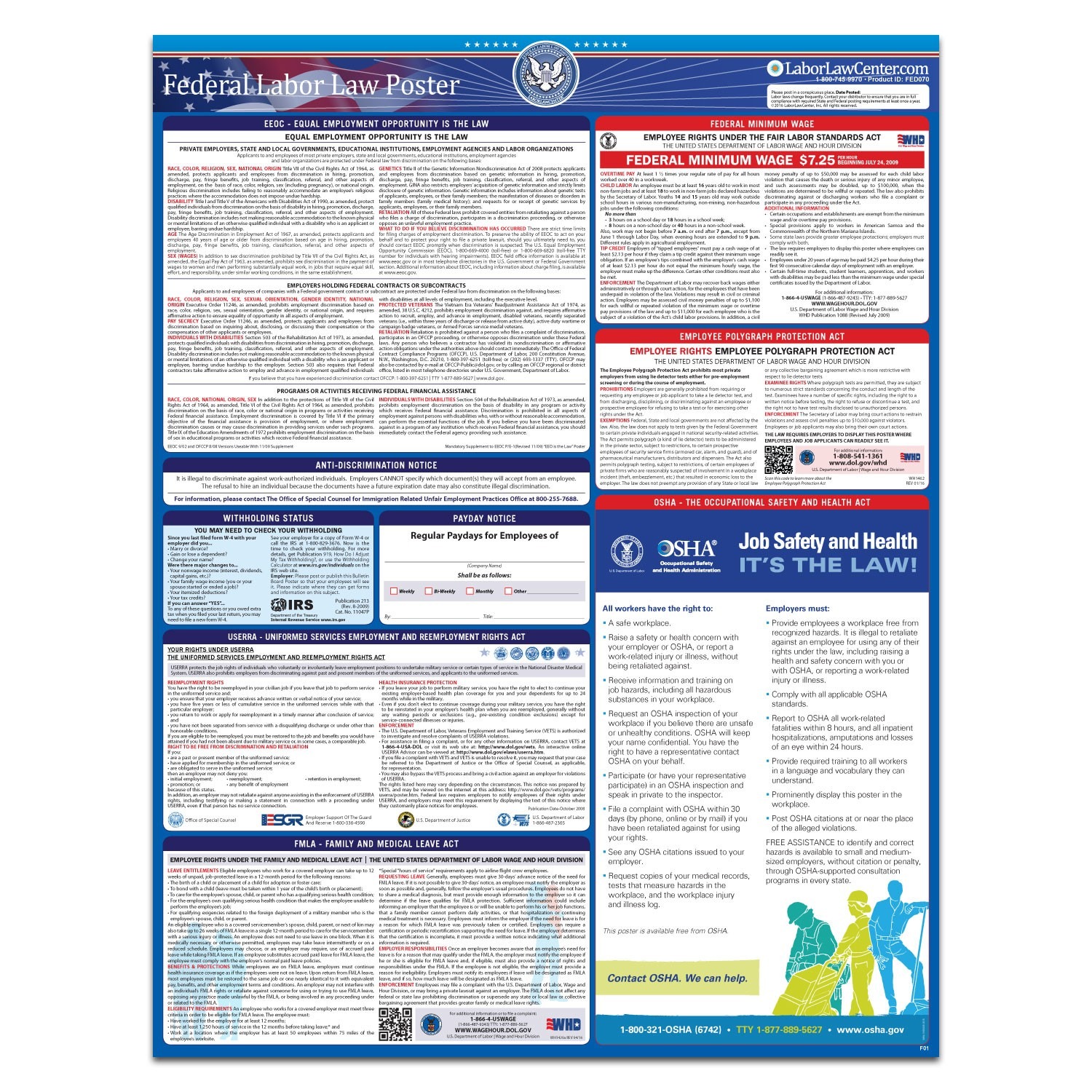
Since there is no Mississippi minimum wage, most of the state’s lowest-paid workers will be affected by the increases in the federal minimum wage. The current federal minimum wage bill would increase the minimum wage in 3 steps. Each increase would be 70 cents. The first increase would occur 60 days after the President signs the bill into law. That will probably be the spring of this year. At that time, the federal minimum wage will increase from $5.15 per hour to $5.85 per hour. Exactly one year later, the second increase will go into effect. At that point, the minimum wage will go from $5.85 per hour to $6.55 per hour. The final increase will take place a year later, probably in the spring of 2009. At that point, the minimum wage will increase from $6.55 per hour to $7.25 per hour.
Most employees in the state are covered under the federal minimum wage law, the Fair Standards Labor Act (FLSA) of 1938. Under the FLSA, most employees are covered by federal wage laws, rather than state law. Any business with revenue exceeding $500,000 per year is subject to the federal minimum wage. In addition, any business that engages in interstate commerce is covered by the federal law. Engaging in interstate commerce includes purchasing supplies from an out-of-state vendor, or mailing a catalog to a client in another state.
In some cases, even when the company doesn’t do business out of state, the federal courts have found that certain employees engage in interstate commerce in their daily activities. In one case, a receptionist who answered the phone was judged to be engaging in interstate commerce, because some of the phone calls were from another state. In another case, an office mailroom clerk who put postage on letters sent out of the state, was determined to be engaging in interstate commerce. Both of these employees are covered under the federal minimum wage law. To be on the safe side, employers should assume that nearly every employee is engaging in “interstate commerce.”