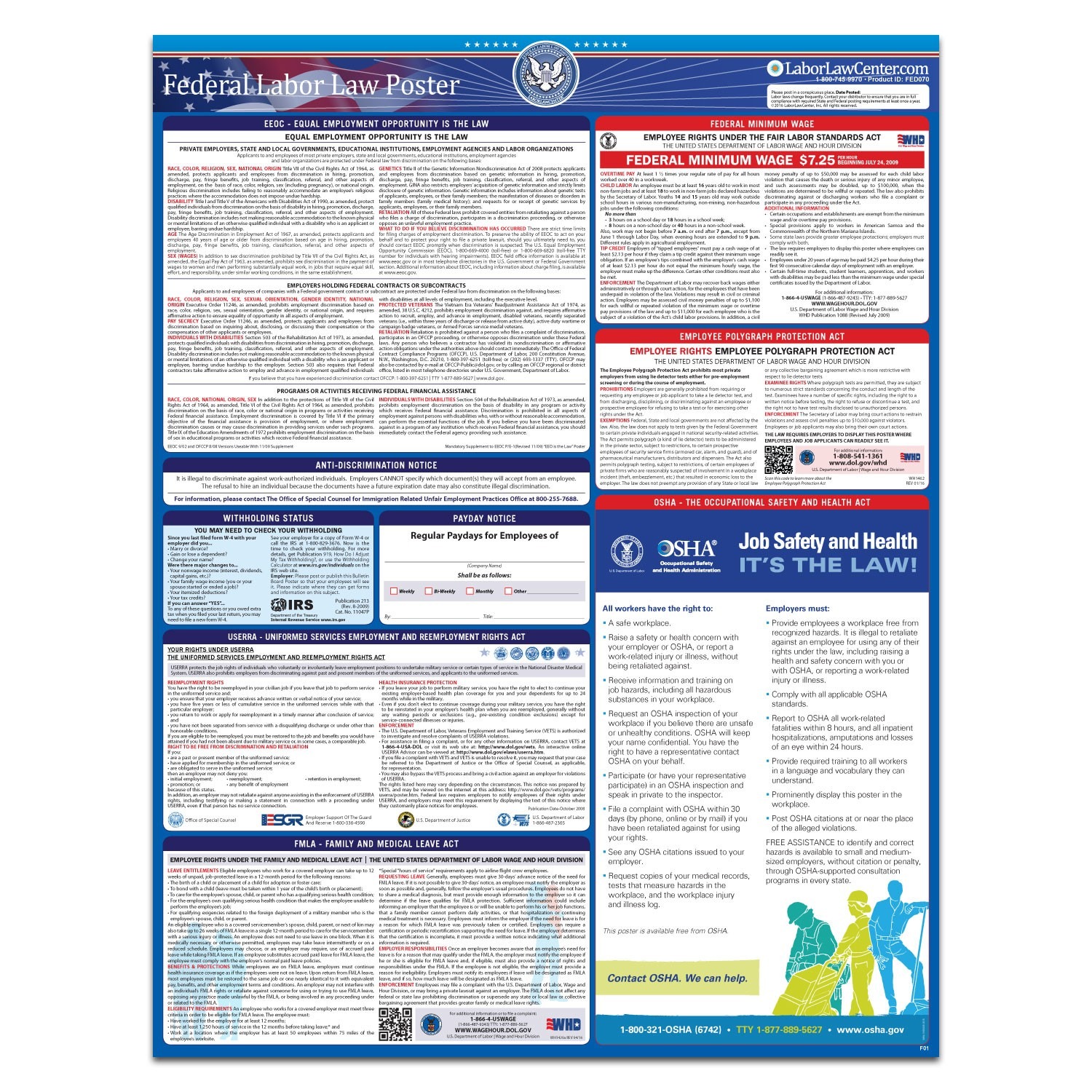
Lawmakers in the state of Hawaii approved a bill to increase the minimum wage in Hawaii by fifty cents from $6.25 per hour to $6.75 per hour beginning January 1, 2006 and with another fifty cent increase to $7.25 per hour effective January 1, 2007.
The Federal minimum wage is $5.15 per hour but economic surveys for the state of Hawaii show that employees earn far more than either the Federal or State’s minimum wage. Salary surveys from 2003 from the state Department of Business, Economic Development & Tourism show that entry level clerks in Hawaii make 171 percent of the minimum wage or $10.00 per hour and in some cases closer to $11.00 per hour. The average hourly wages for a cashier are closer to $14.00 per hour, secretaries wages are more than $15.00 per hour, and cooks close to $16.00 per hour. Unskilled light laborers and housekeepers’ wages are $12.00 to $13.00 per hour. This survey cited that the low unemployment rate throughout the state is 2.5 percent to 3.2 percent depending on the county. Only waiters and waitresses were seen as earning a little less than the minimum wage in 2003 and that wasn’t counting tips.
For tipped employees, Hawaii has set a maximum hourly credit of twenty-five cents per hour but requires at least $6.50 per hour be paid to these employees. Employers may take the tip credit only if the combined amount the employee receives from the employer PLUS the tips, is at least fifty cents more than the applicable minimum wage rate. Finally, Hawaii does not authorize a generic sub-minimum wage rate for learners or youth.
So who will benefit from an increase in the minimum wage rate? Low wage workers, particularly single mothers who are over the age of twenty will benefit the most from an increase in the minimum wage rate. This increase will improve their quality of life and give them a little more economic power.