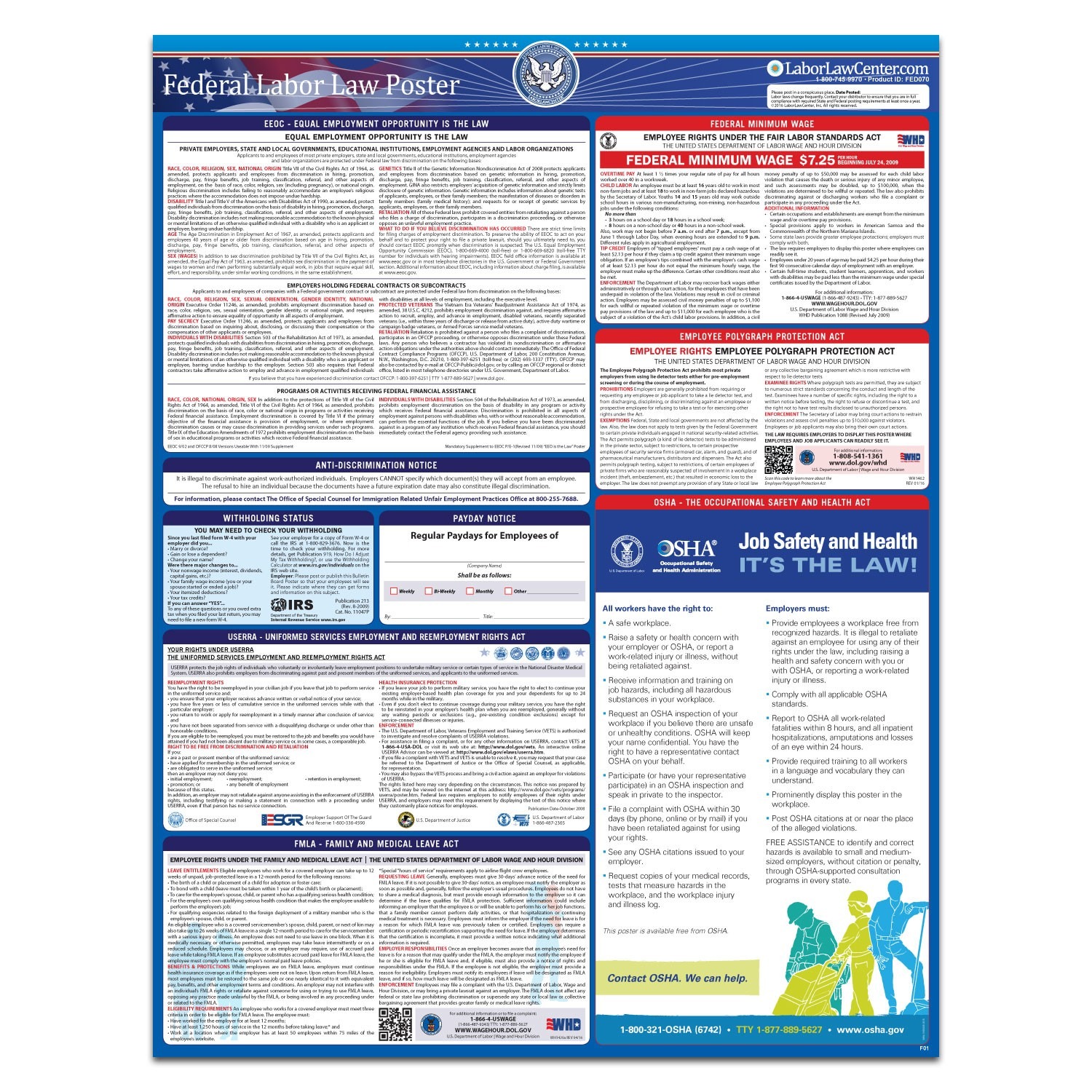
In 2006, Governor Rod Blagojevich signed a law to increase the Illinois state minimum wage, adding 25 cents each year from 2007-2010 to attain an hourly wage of $8.25 per hour.
On July 1, 2008, the second in the series of increases will take place, raising the Illinois minimum wage from $7.50 to $7.75 per hour.
Also effective on July 1, 2008, is an increase in the minimum for tipped workers to $4.65 per hour. During the first 90 days of employment employees can be paid a training wage of $7.25 per hour.
Employers are legally permitted to pay workers under the age of 18 a lower wage. Youths, under the current statute, can earn $7.00 per hour, but on July 1, 2008, they must be paid $7.25. For tipped workers under the age of 18, the hourly rate is $4.35.
According to the Illinois Department of Labor (IDOL) over 650,000 workers in Illinois will be affected by these increases.
In 2007, the Governor said, “A person who works 40 hours a week should earn enough to care for their family and afford basic necessities. I’m proud that in Illinois, we’ve kept our promise to help working people and make their lives easier after years of neglect at the federal level. It will be a little easier for thousands of Illinois families to pay their bills, put food on the table or buy clothes for their kids.”
This series of increases to the Illinois minimum wage is actually the second time Governor Blagojevich has upped the state minimum rate. In 2003, he signed a law increasing the minimum from $5.15 per hour to $5.50 per hour. In 2004, the minimum rose another dollar to $6.50
Over four years, the Illinois minimum wage has increased $2.60 per hour.
Beatrice Jackson, President of the Association of Community Organizations for Reform Now (ACORN) praised the increase. “For thousands of working families who live on the brink of poverty, the increase in Illinois’ minimum wage will help workers afford basic necessities that so many of us take for granted like food, clothing, housing and education.”
Illinois Minimum Wage Penalties
Illinois law SB 2339 strengthened the Illinois Minimum Wage Law and the Wage Payment and Collection Act, giving the Illinois Department of Labor (IDOL) even greater power to enforce state minimum wage laws.
Employers are required by law to pay employees at least twice per month within two weeks of the end of pay period. Terminated employees must receive their wages by the next scheduled payday.
Prior to SB 2339, the IDOL had no sanctions against employers who delayed or withheld a worker’s salary, even after the IDOL investigation discovered the wrongdoing. In several cases of private lawsuits under the Minimum Wage Act, courts ruled the neither the employees, nor the IDOL could collect penalties.
The current law gives the Director of Labor the authority to subpoena the books, payroll records and other evidence from a company being investigated. If the employer’s actions of withholding or delaying payment are found to be repeated, intentional or completely without regard to the law, IDOL can asses up to 20% as a penalty.
SB 2339 also allows workers who have recovered back pay in a private lawsuit to collect 2% penalties per month on those earnings.
For companies that ignore the demand to pay employees their earned wages, the IDOL can assess a penalty of 1% penalty per calendar day.
SB 2339 was sponsored by two Chicago Democrats, State Senator Miguel del Valle and State Representative William Delgado.
Representative Delgado made the following comments, “I would like to thank Governor Blagojevich for signing this legislation, and for his consistency in helping working families get ahead. Thanks to laws like this, Illinois is a leader when it comes to helping working men and women seek employment with decent wages.”
IDOL Director Art Ludwig said, “Unlawful employers take advantage of workers by holding back wages, thinking that there will be no consequences. The Department will use these new enforcement powers to aggressively pursue uncooperative, unresponsive and unlawful [employers] to ensure [that] workers receive the wages they’ve earned. We remain committed to protecting the rights and wages of workers in Illinois.”