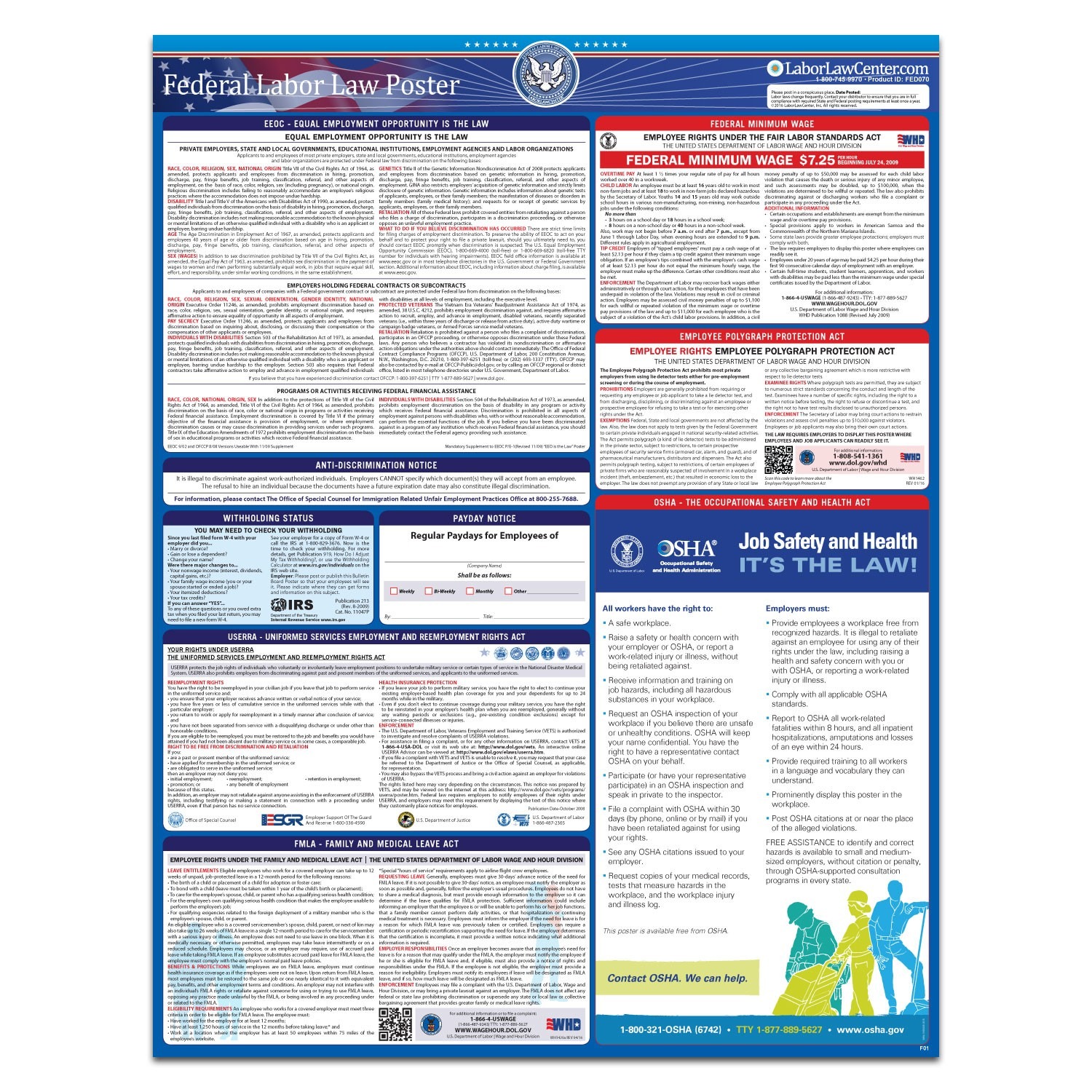
The federal minimum wage increased for the first time in more than a decade, effective Tuesday, July 24, 2007. The wage went up by 70 cents from $5.15 per hour to $5.85 per hour. This is the first of three increases under the Fair Minimum Wage Act of 2007, a bill passed by both the Senate and House of Representatives after much debate.
Critics of the minimum wage increase worry that it will decrease the number of jobs available, especially for unskilled workers. Proponents point out that the increase is long overdue. The federal minimum wage today has lower purchasing power than in 1968, when the rate was $1.60 per hour. They point out that the $1.60 minimum wage was equivalent in purchasing power to a salary of $9.12 per hour in 2005. Proponents also note that in the 10 years since the last increase in the federal minimum wage, the average U.S. Congressman (or Congresswoman) has voted themselves raises totaling $31,600 per year. The current increase amounts to $1,456 per year for a full-time minimum wage worker.
An increase in the federal minimum wage was a major issue during the 2006 mid-term elections. Democrats won a majority in the House and a very slim majority in the Senate, partly because of a promise to pass an increase during their first 100 days in office. While the Democrats technically kept their promise, the original bill was vetoed by President George W. Bush because it was linked to the U.S. Troop Readiness, Veterans’ Care, Katrina Recovery and Iraq Accountability Appropriations Act of 2007. The act will raise the federal minimum a bill that demanded a reduction in American forces in Iraq. While the Iraq debate continued, the minimum wage increase languished.
The bill was finally passed and signed by the president on May 25, 2007. The bill provides for a total of three 70 cent increases, bringing the minimum wage to $7.25. The first increase, from $5.15 per hour to $5.85 per hour, was effective July 24. The next increase will occur on July 24, 2008, when the federal minimum wage will increase from $5.85 to $6.55 per hour. The final increase under the current bill will occur on July 24, 2009 when the rate went to $7.25 per hour.
The U.S. Department of Labor has taken the opportunity to remind employers that paying less than the minimum wage is a violation of the Fair Labor Standards Act, or FLSA. The Department’s Wage and Hour Division, which enforces FLSA, also reminds employers that every employee is entitled to receive the wages they are due, on their regular payday, under FLSA.
In general, the federal minimum wage applies to employers with revenue higher than $500,000 per year, or who engage in interstate commerce. Interstate commerce may include regularly mailing items to potential customers out of state, or buying from vendors in another state. A number of hospitals, schools and public agencies are covered, regardless of revenue.
More than half of the U.S. states have state minimum wages which are higher than the federal minimum. When an employee is covered under both the state and federal law, they are entitled to whichever wage is higher. The new federal rate of $5.85 per hour is equal to the state minimum wage in West Virginia, but lower than the minimum wage in 28 states plus the District of Columbia. Of the states, Washington has the highest minimum wage at $7.93 with Oregon’s rate of $7.80 the second highest in the nation.
A number of states, including Texas and Utah, have state minimums that are tied to the federal rate. In those states, the minimum wage will increase to $5.85 today, as well.
Each employer is responsible for prominently displaying an updated federal minimum wage poster, in an area where it can be seen by all employees. Failure to do so can result in fines. In addition, updated state minimum wage posters are required in every state where the minimum wage has increased.