Just in time to celebrate Memorial Day, the Department of Justice or DOJ announces a spate of recent convictions under USERRA. The USERRA regulations provide job protection for veterans.
In the first class action lawsuit ever under USERRA, on April 17, 2008 the DOJ
Reached an agreement that American Airlines will pay 353 pilots a total of $345,773 for the loss of vacation and sick leave benefits while on military duty. In addition, American agreed to provide additional sick leave worth about $215,000.
American Airlines is the nation’s largest commercial air carrier. Not coincidentally, American recently announced that it will charge every passenger $15 for the first checked bag on each domestic flight.
Under the suit, Woodall vs. American Airlines, Inc. the DOJ found that American Airlines did not permit pilots on leave for active military service to accrue sick and vacation time on the same basis as employees on other types of leave. This is a violation of USERRA regulations. The suit was sparked by an employee complaint to VETS, the Department of Labor Veterans Employment and Training Service.
In another high-profile case, on May 21, 2008 Wal-Mart was forced to pay $12,000 in back wages for refusing to reinstate a cashier following his service in the US Air Force. In Thornton vs. Wal-Mart Stores, Inc., the employee was told that he would have to reapply for his cashier position because he was no longer listed as an employee.
Even local governments are not immune from the wrath of the DOJ, it would seem. Also on May 21, 2008, Gibson County, Tennessee agreed to reemploy and promote a female Army National Guard member returning from service in Iraq. In Williams vs. Gibson County Tennessee, the DOJ contended that Ms. Williams wanted to return to her part-time job as an EMT with the county. The county did not reemploy her for four months. Even after reemployment, they did not credit her for seniority for her time on active duty service.
Ms. Williams is a Staff Sergeant in the Tennessee National Guard. Under terms of the decree, the county must promote Ms. Williams to a full-time position, retroactive to the date she should have been promoted in 2006 and pay her $17,000 in lost wages and monetary losses.
Earlier in May, the DOJ filed a settlement on behalf of Army Sergeant Jared Caldwell against Acme Towing & Recovery Inc. of Albuquerque New Mexico.
According to the DOJ, USERRA was enacted in 1994 to protect service members from being disadvantaged in their civilian careers due to serving in the uniformed services. Among other things, USERRA prohibits employers from discriminating in their treatment of such employees by denying initial employment, reemployment, retention in employment, promotion or any other benefit of employment where the employee’s uniformed service is a motivating factor in such treatment.
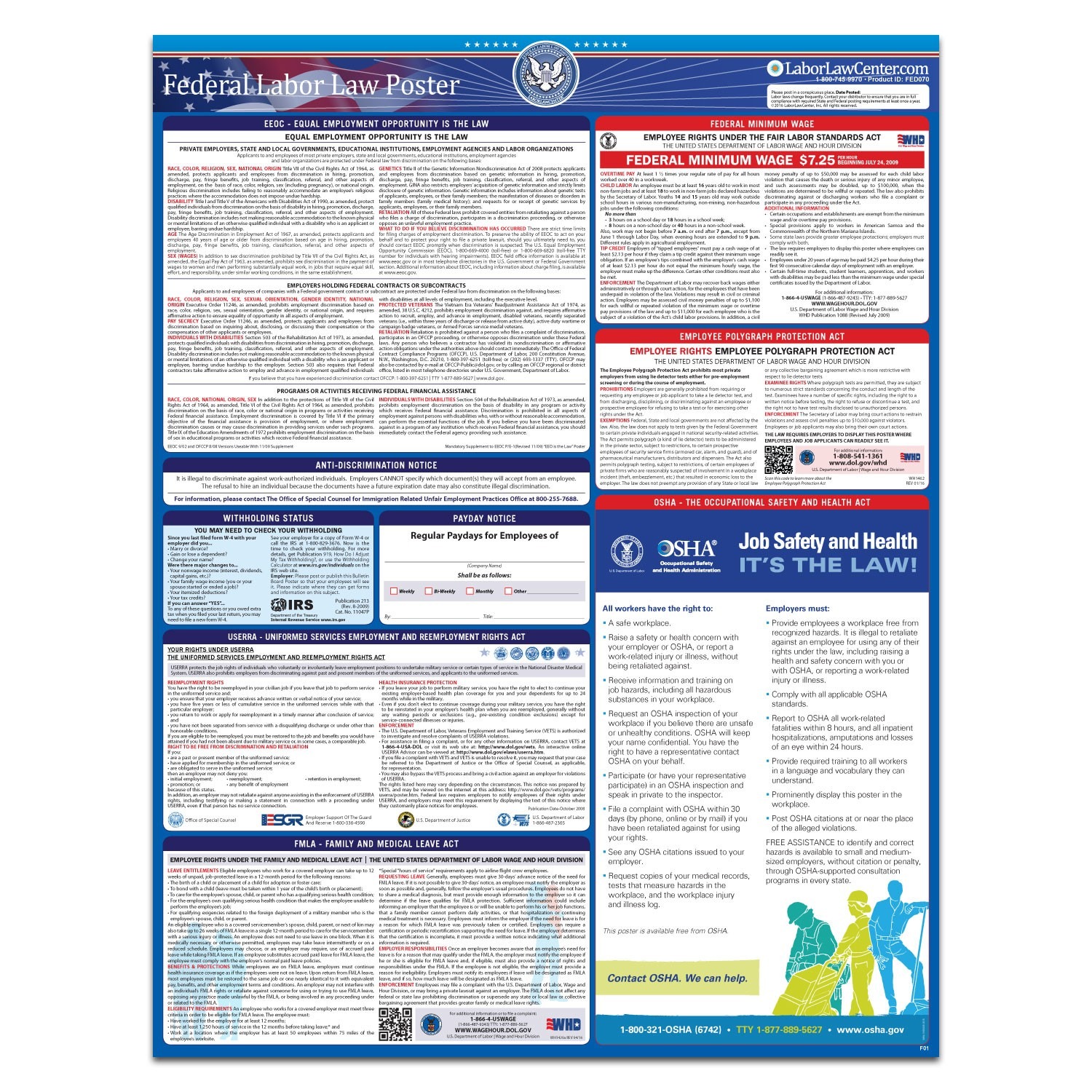
Every employer must prominently display a current USERRA poster, even if there are no employees who qualify for protection under USERRA.
The United States’ complaint, filed in September 2007, alleges that Acme violated USERRA by first demoting and then terminating Sergeant Caldwell from employment due to Caldwell’s absences for required duty with the U.S. Army Reserve.
The settlement requires that Acme and Eddie Ray, the prior owner of Acme, pay Caldwell $19,000 in back pay, less legally required employee income tax withholding and other statutory employee deductions.
“Our military reservists must be allowed to serve without suffering the consequence of losing their civilian jobs,” said Grace Chung Becker, Acting Assistant Attorney General for the Justice Department’s Civil Rights Division. “I am pleased that we were able to resolve Mr. Caldwell’s claim and provide him with the appropriate relief.”
The Civil Rights Division of the Department of Justice has given a high priority to the enforcement of service members’ rights under USERRA., according to Acting Assistant Attorney General Chung Becker.
All of the companies in this article deny violating anybody’s rights under USERRA or any other federal, state or local law.