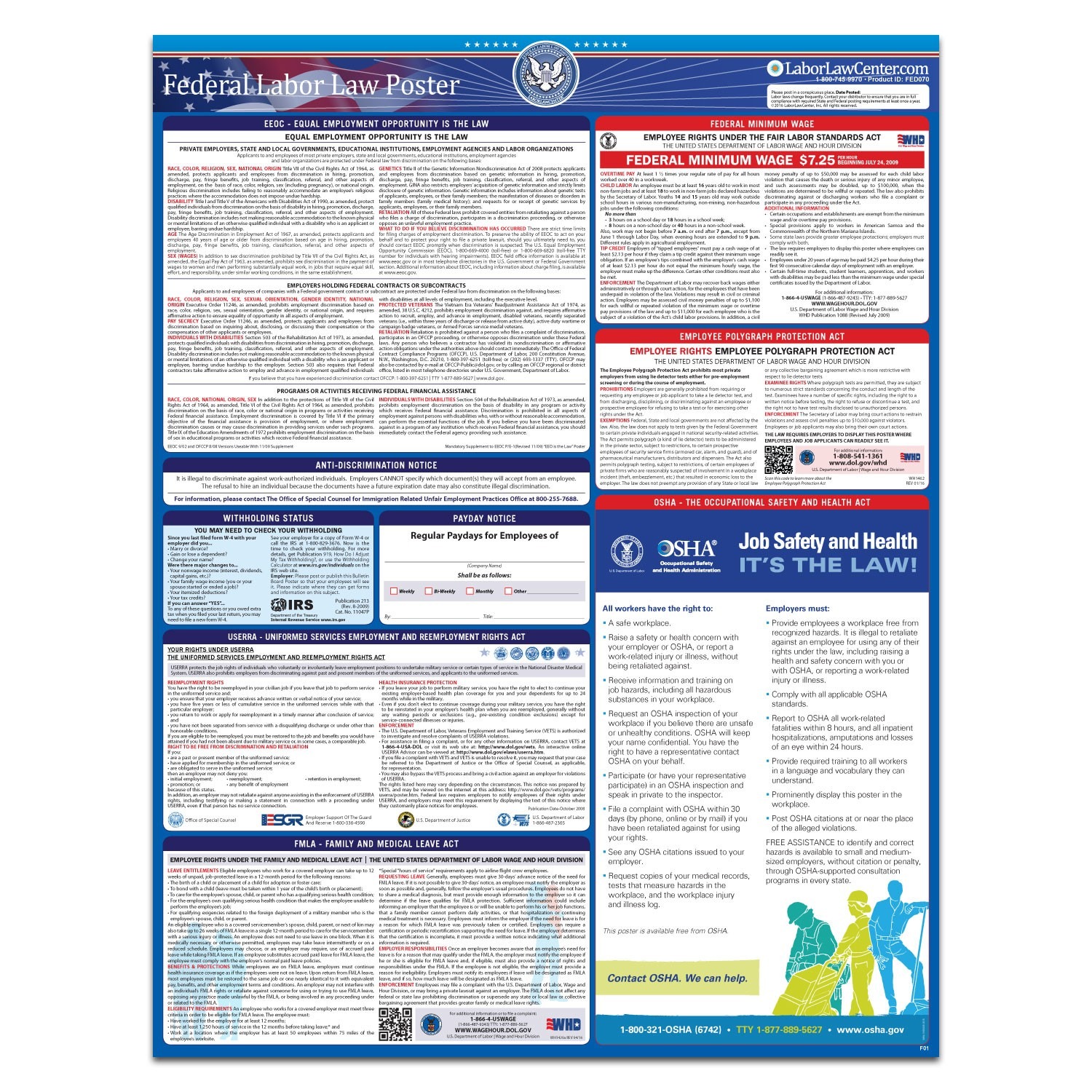
Connecticut (CT) wage and hour laws have been written to help both workers and employers understand all aspects of employment. These laws apply to most everyone within the state of Connecticut, with some exceptions.
As of January 2, 2006 the minimum wage of Connecticut has changed to $7.40 per hour. For minors who work farm or government jobs their wage is generally 85% of the standard minimum wage for Colorado employees. For minors working in other industries their starting wage is 85% for the first 100 hours. All this is covered in detail in different sections of Connecticut (CT) wage and hour laws.
The minimum wage for Connecticut (CT) wage and hour laws for tipped employees is $7.40 per hour minus $29.3 %. Therefore, all tipped employees including waiters and waitresses must receive a minimum of $5.23 per hour as of January 1, 2006. Connecticut (CT) wage and hour laws display the formula used to calculate the current minimum wage for tipped employees. Taxes for tipped employees, however, are based on the standard rate of $7.40 per hour.
At least 3 sections of the Connecticut (CT) wage and hour laws cover overtime pay. Most employees who work over 40 hours per week must be paid 1 ½ times their regularly hourly pay. No overtime is required to be paid out by employers for time after 8 hours in one day. Likewise, Connecticut employers are not required to pay over time for Sundays or holidays.
Connecticut (CT) wage and hour laws require employers to give breaks and rest periods to their employees. For instance, if an employee has worked 7 ½ hours or longer a 30 minute meal period is required. This rest period must be given some time after the first 2 hours of work and before the last 2 hours of work for that day. Exceptions exist to this rule. For example, no rest period needs to be given if it could endanger public safety, or no rest period needs to be given if only 5 or fewer people working for that employer.
Connecticut (CT) wage and hour laws cover all aspects of employment. They help both employers and employees know all their rights and responsibilities.