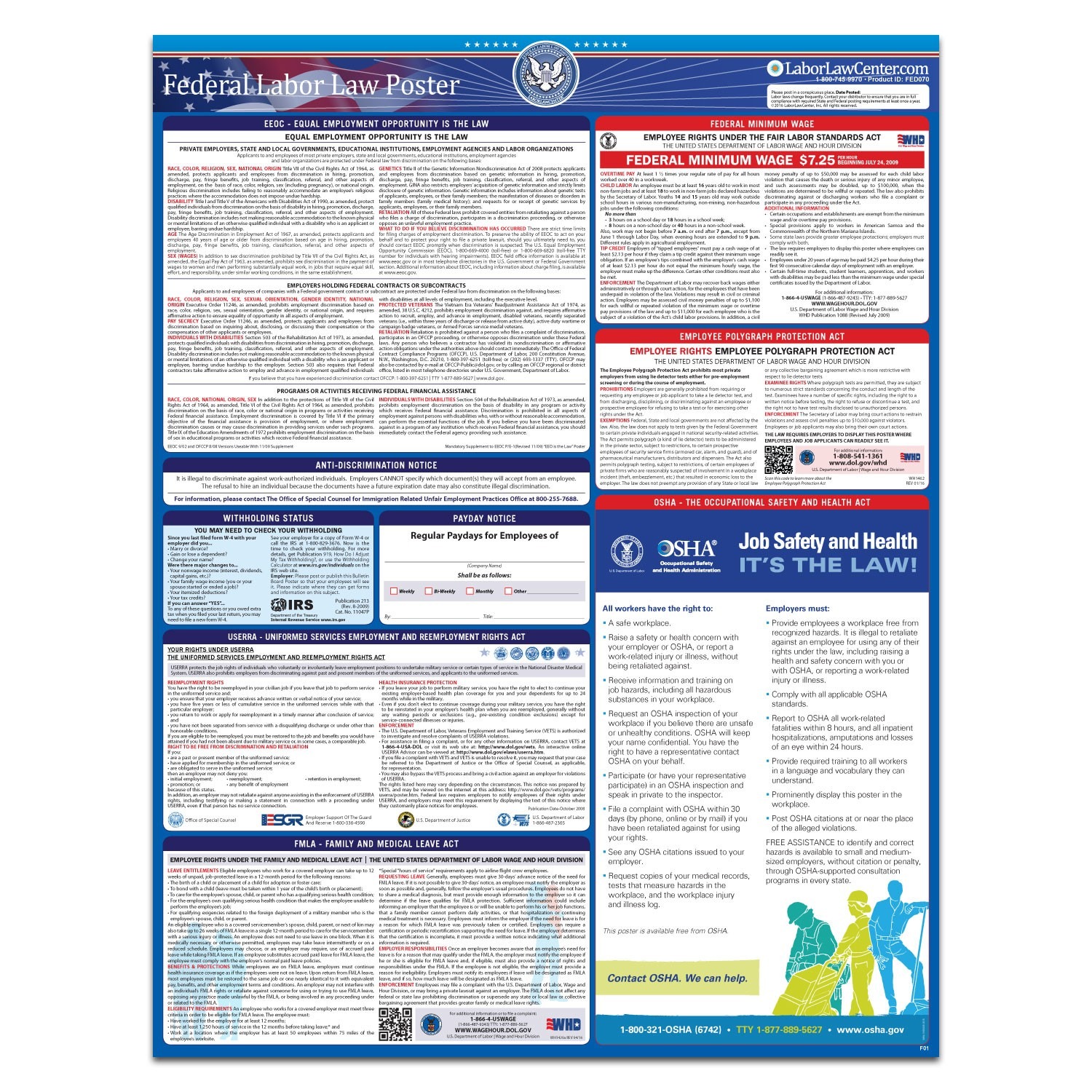
The U.S. Department of Labor recently announced that it will update the federal child labor laws for the 21st century.
Employers should keep in mind that any changes under this plan will apply to the federal laws, not the Connecticut child labor laws.
In April, the U.S. Department of Labor published a proposal to update the portion of the FLSA concerning teenaged workers. The proposed changes are expected to provide additional protection for young workers.
The federal child labor laws are part of the Fair Labor Standards Act. Passed in 1932, the FLSA was the first comprehensive federal law to protect young workers. Prior to its passage, it was common for children as young as 8 years old to be employed for 10 to 12 hours per day in mills and factories. They frequently operated dangerous machinery, and sometimes worked all day without a meal break. The FLSA is the same law that established a federal minimum wage, and governs overtime pay for those who work more than 40 hours per week.
Key new provisions under these changes will prohibit young people ages 14 and 15 from participating in door-to-door sales, also known as youth peddling activities. It’s important to note that young people would still be allowed to sell candy, magazines, cookies and similar items for their school or favorite charity. The law simply prohibits employers from hiring young people for such activities.
Under the current federal and Connecticut child labor laws, young people are prohibited from a number of hazardous occupations. Youngsters currently can’t operate a bulldozer at work or be in charge of foundry equipment. However, the proposed changes would expand those restrictions. Young people would be prohibited from working at poultry slaughtering plants, and fighting forest fires, under the new regulations. The updated regulations also preclude youths from operating balers and compactors, except those that strictly work with paper products. Young people are currently prohibited from operating forklifts, but the new regulations would prevent youngsters from riding as passengers on forklifts.
This is just the latest round of changes to the federal child labor laws. In December 2004, the Department of Labor issued final regulations that made a number of changes to existing child labor laws. In particular, young people were protected from working in the roofing industry, and in restaurant cooking. Those changes were made based on a 2002 National Institute for Occupational Safety and Health review of hazards in child labor.