We touched upon this topic a little bit before when I mentioned how the Associated Press had mentioned a quote from the Speaker of House, Democrat Nancy Pelosi of California, who had said that all U.S. territories should be included in the federal minimum wage bill that is now attached to the Iraq war supplemental spending bill. And I have briefly touched upon the consternation of local government and business leaders in American Samoa to this development. The island is a distant place off in the far Pacific, even more remote than, say, Hawaii, and so the territory, though it follows many U.S. customs and labor laws, is not necessarily used to be thrown in with all of the other states in the Union.
Currently, the way that the American Samoa minimum wage is done is much different than the way that would occur under the new federal minimum wage bill. Under the new federal minimum wage bill, American Samoa, much like all of the 50 states and other territories, would see blanket increases for those employers liable to follow the Fair Labor Standards Act. Those blanket increases would come in three parts over the course of the next two years. The first would come—and I can hear you loyal readers saying out there, “Oh no, here he goes again!”—60 days after the president signs the federal minimum wage bill and would raise the federal minimum wage from $5.15 per hour to $5.85 per hour.
The next two increases would come in year intervals, with the first federal minimum wage increase—from $5.85 per hour to $6.50 per hour—occurring in 2008, and the third installment of the federal minimum wage coming in 2009—from $6.50 per hour to $7.25 per hour.
As I said, that sort of development would be much different than the way American Samoa has done its minimum wage in the past. The way it works now is that the Department of Labor’s Wage and Hour Division on the federal level releases an economic report on the American Samoa territory, called—what else—the American Samoa Economic Report. The latest one just came out in 2007. When this report gets released, it is then used by the American Samoa Industry Committee, who is then charged with using that economic data to determine the American Samoa minimum wage. This committee does not come out of thin air by the way. The United States Secretary of Labor puts together this committee every two years to decide what the minimum wage should be. Once the committee comes up with its recommendations, the American Samoa minimum wage is binding for those two years.
As it stands now, as decided upon by this committee, the American Samoa minimum wage can range from $4.09 per hour, down to $2.68 per hour, so including the territory in the federal minimum wage bill would obviously make a big impact on the local economy. After all, according to my source, the average income for an American Samoa family is just $4,357 per year.. Compare that to the rest of the United States where families average about $43,500 per year.
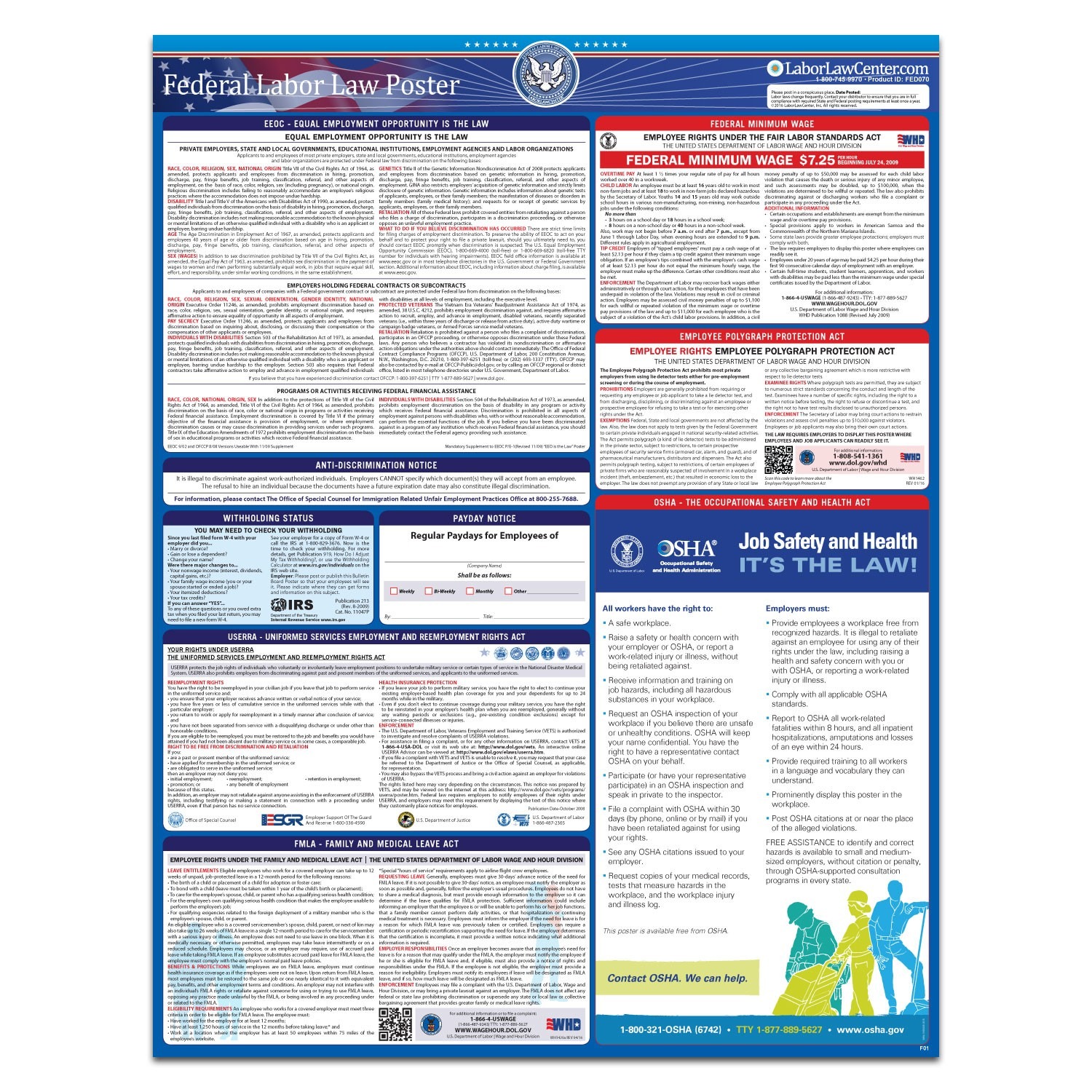
That could explain why the Governor of the territory, Gov. Togiola T.A. Tulafono and other leaders have come across the oceans and the continent to personally lobby in Washington DC to change the fact that American Samoa is included in the federal minimum wage bill. Even if this still works out—and the situation is definitely unclear at the moment what will happen—American Samoa employers still have certain requirements under the Fair Labor Standards Act, such as being required to post the federal minimum wage poster in their work sites.