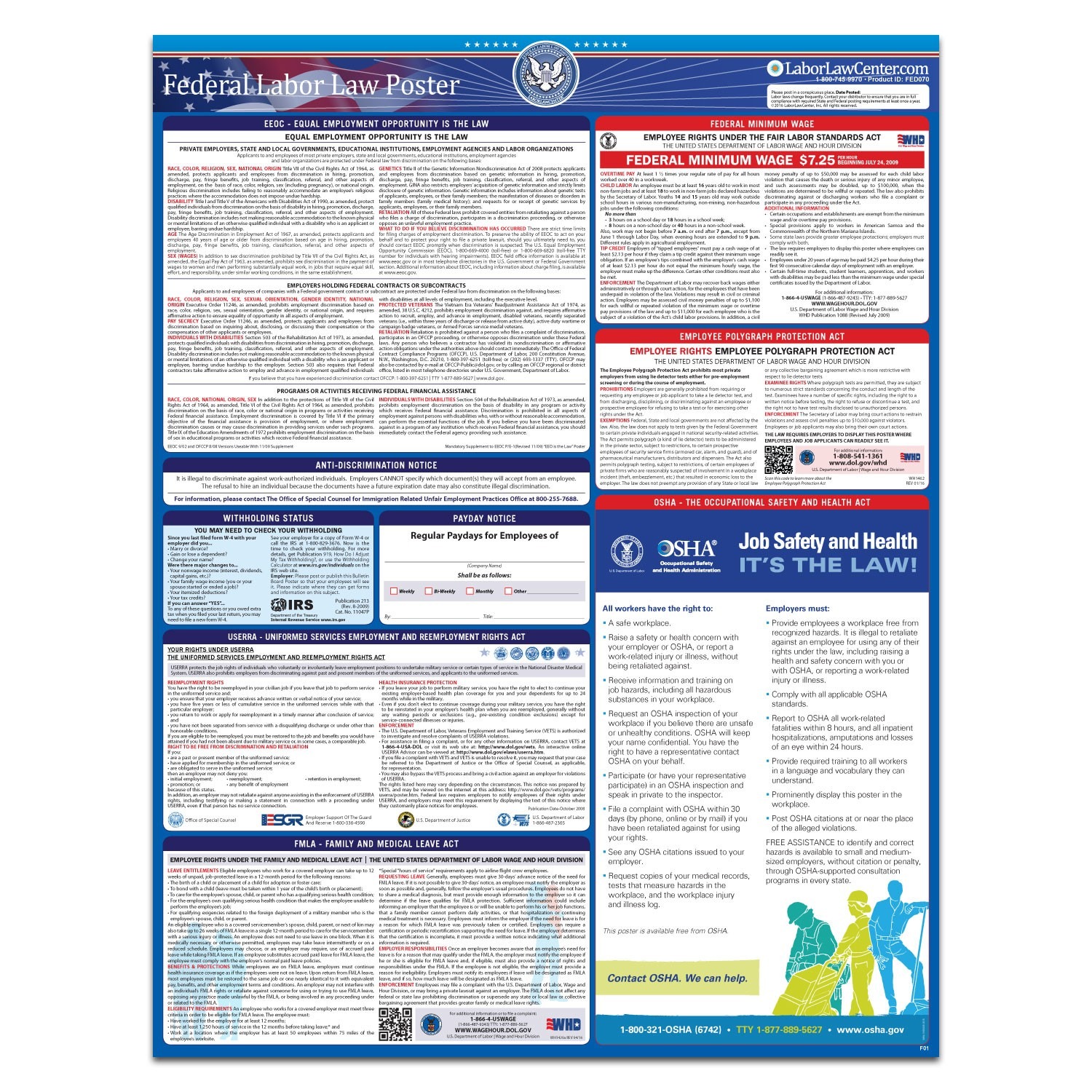
Violations of federal and Alaska overtime laws were at the heart of a settlement recently reached between Wal-Mart and the US Department of Labor. Wal-Mart, a retail giant, will pay almost 87,000 employees in Alaska and across the nation back pay and interest totaling $33 million.
Wal-Mart has to pay these employees because they did not receive proper overtime compensation. These employees, who often worked long hours, were salaried and held jobs such as manager trainee, programmer trainee, and intern. Although many people believe that no salaried employees receive overtime, that isn’t true. In this case, the employees were what the US Department of Labor ruled as “non-exempt salaried.” When employees are considered “non-exempt salaried,” they should receive overtime pay for hours worked beyond the standard 40 per week.
To determine if federal and Alaska minimum wage laws make a salaried employee eligible for overtime pay, consider their salary. If employees earn under $455 a week ($23,660 a year), then the guidelines created in recent years state that they are entitled to overtime compensation for hours worked above 40 per week.
In fact, an employee can earn more than $23,600 per year and still be eligible for overtime pay. The determining factor is whether the employee has the power to make significant decisions concerning a division, a department, or a store. Usually, managers who are paid a salary have the authority to hire and fire 3 or more employees.
Other claims against Wal-Mart are not addressed in this settlement. This settlement only resolves certain violations that are defined in the judgment. This agreement does not impact any litigation brought against Wal-Mart by private parties, nor does it impact the ability of any worker to file a complaint against Wal-Mart with the US Department of Labor.
Wal-Mart isn’t the first business to try to avoid paying employees overtime. Howard Johnson’s was found guilty of using an approach similar to the one used by Wal-Mart. In the case of the hospitality businesses, “assistant managers” worked long hours for low pay.