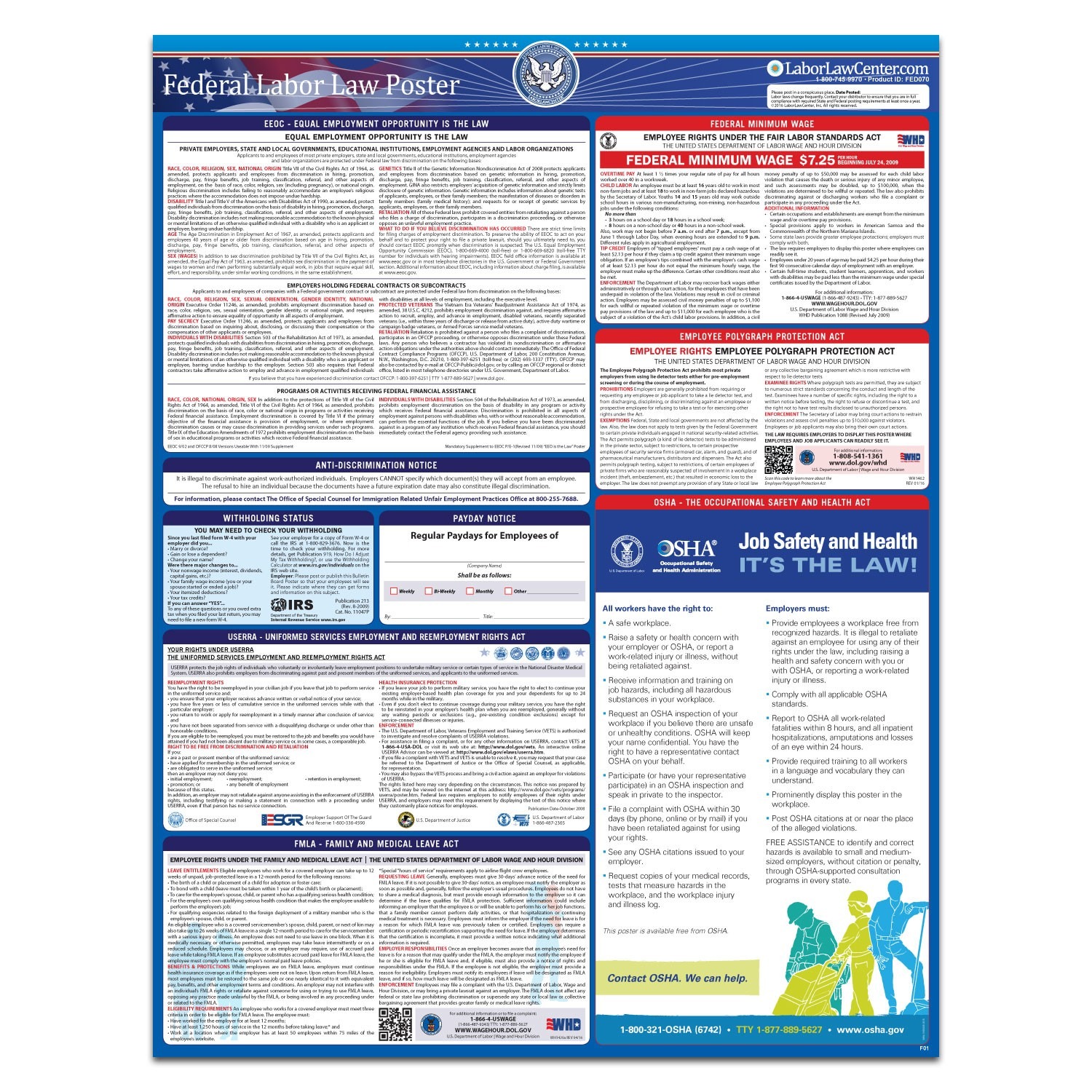
Effective January 1, 2015, the Illinois Pregnancy Accommodation Law provides greater protection for pregnant employees. The new amendment to the Illinois Human Rights Act applies to every employer in the state with one or more employees, just as the law concerning disability discrimination and sexual harassment does. (Some other provisions of the IL Human Rights Act apply only to Illinois employers with 15 or more employees.) The law covers workers (full-time, part-time and those on probation) and job candidates who are pregnant or who become pregnant.
Illinois Pregnancy Accommodation Overview
The Illinois Pregnancy Accommodation amendment requires employers to make reasonable accommodations for a pregnant employee even if her impairment does not meet the official test to be determined a “disability.” This is a change from prior disability discrimination laws, which did not cover accommodations for most pregnant employees, who were otherwise healthy. Under the law, Illinois employers may be required to make accommodation for virtually every pregnant employee, depending upon the job. The law expands a pregnant employee’s entitlement to accommodations based on pregnancy, childbirth and “medical or common conditions” related to pregnancy or childbirth.
Reasonable Accommodations Required for Pregnancy
Reasonable accommodations under the law may include assistance with manual labor or heavy lifting. It may also include providing a chair, bar stool or other seating for the employee while working. In many cases, reassigning an employee to a different position temporarily is a reasonable accommodation. So is allowing the employee to opt for a “light duty” assignment, or reassigning certain tasks to other employees. Allowing pregnant employees more frequent bathroom breaks is a common accommodation. Depending upon the employee and circumstances, it may also be necessary to allow employees more frequent breaks to drink water or consume snacks (or to allow water and snacks at the work station.)
IL Pregnancy Accommodation Law Requires Leave
The Illinois Pregnancy Accommodation law also requires employers to grant leave to a pregnant employee, whether that is for doctor’s appointments, a temporary medical complication, bed rest for the entire pregnancy, or time off to recover from childbirth. The employee is entitled to return to her job when she is fully recovered. This is a major shift for many employers, who only granted leave for medical disabilities and often required that employee meet the conditions for federal FMLA.
Employers Cannot Require Accommodations or Leave
An Illinois employer cannot force an accommodation on a pregnant employee who has not requested one – even if the employer feels the accommodation is in the best interest of the woman, her baby or the business. For example, an employer cannot unilaterally reassign a pregnant woman to a less visible job or force her to take leave before she is ready. Nationwide, up to 67% of pregnant women work, many of them right up until the last month of pregnancy, according to the National Women’s Law Center. The EEOC reports that charges of pregnancy discrimination increased 71% between 1992 and 2011. Reasonable accommodations vary according to the employer’s size and resources, and the law does allow employers to deny any accommodation that is “prohibitively expensive or disruptive.” However, the burden of proof is squarely on the employer to prove that the accommodation would negatively affect their business. The nature of the business and its resources are key factors in this determination.
Limitations & Posting Requirements
The Illinois Pregnancy Accommodation law does not require an employer to invent a new job for a pregnant worker, if none exists. Nor does it require the employer to fire a worker with more seniority, to give that job to a pregnant employee. However, it does require that employers make reasonable accommodations for pregnant employees, up to and including purchase of special equipment. Illinois employers will need to update their Human Rights posters in 2015 to conform with this law.